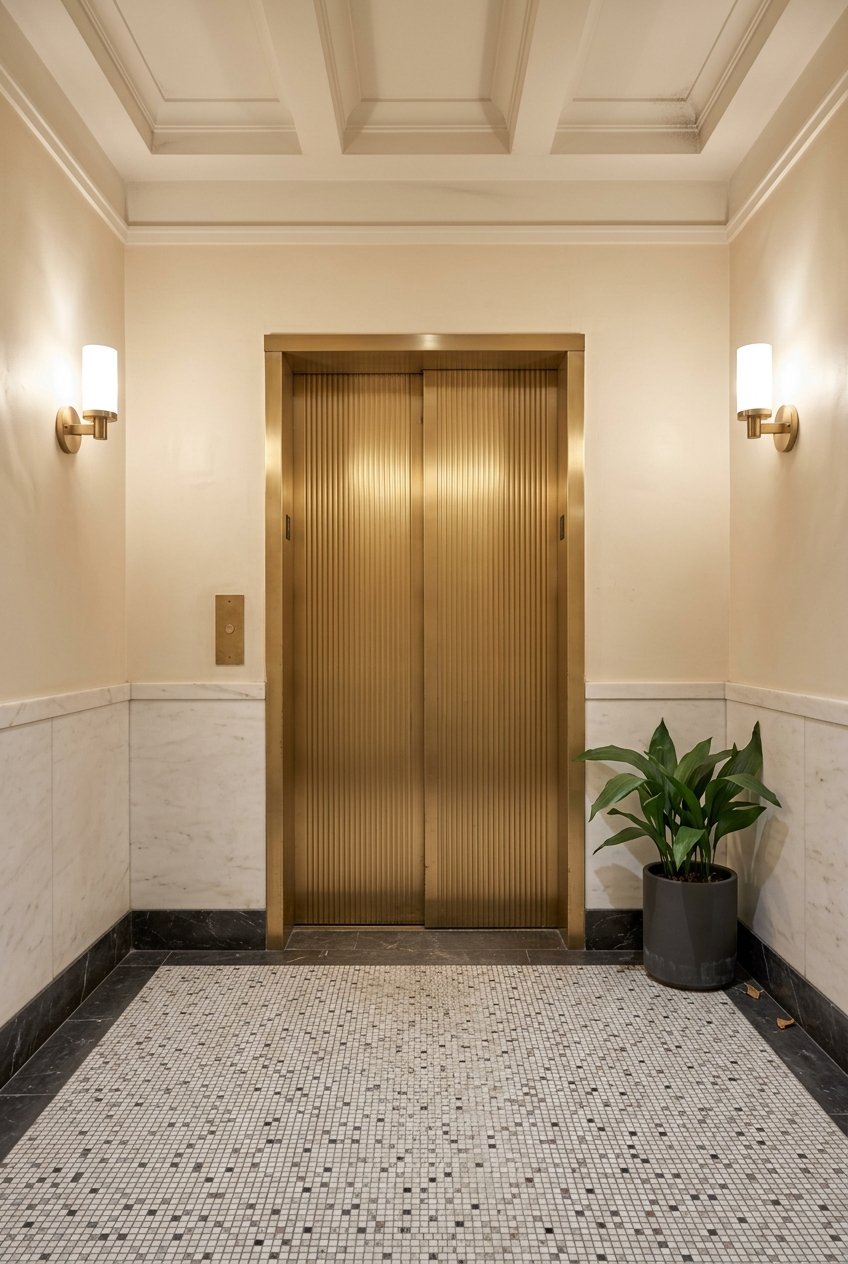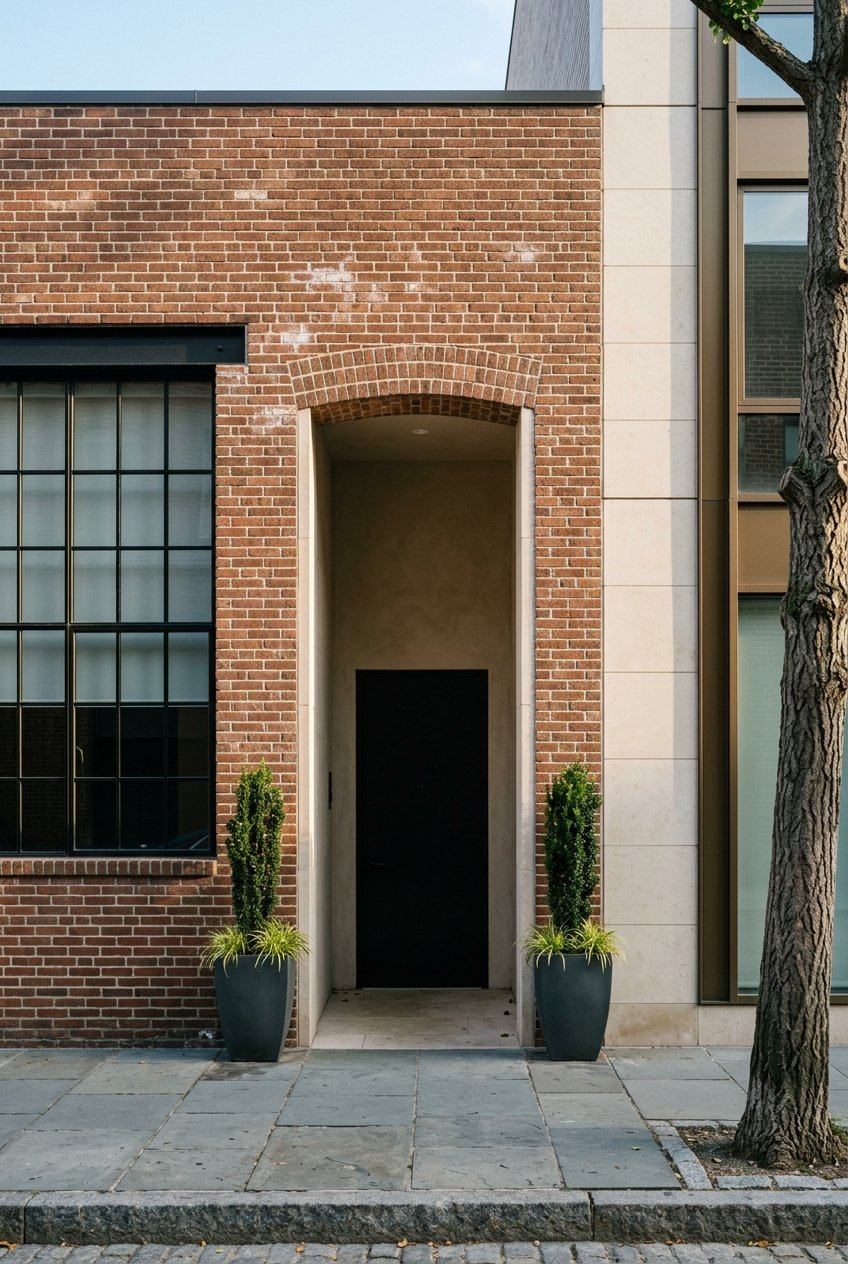
Every DUMBO loft tells a story. Thick concrete columns, oversized factory windows, double‑height rooms and gallery walls create a mood you cannot copy in a typical condo. That same individuality can make appraisals tricky. With a smart plan and clean documentation, you can help an appraiser understand why your loft commands its price.
Why Loft Appraisals Need a Strategy
Unique lofts do not fit neatly into standard models. Small sample sizes, one‑off floor plans, protected views and legal nuances can all affect the opinion of value. The good news is that appraisers are trained to handle unusual properties. Your job is to make their job easier with clarity, evidence and access. This guide is a practical playbook you can follow.
How Loft Appraisals Work
Sales comparison approach explained
For residential units, appraisers rely mainly on the sales comparison approach. They select recent, nearby closed sales and adjust for differences such as size, floor, view, outdoor space, condition and amenities. Lenders expect the appraiser to support adjustments and show that the market accepts the property type per Fannie Mae guidance.
When income or cost methods apply
If the loft is rented or buyer behavior suggests an investor mindset, the appraiser may consider an income approach as a check. For rare layouts or historic features, a cost approach can help describe replacement cost, but it usually plays a supporting role in condo or co‑op valuations.
Condo, co‑op, and loft nuances
Ownership form matters. Co‑ops have different underwriting and appraisal requirements than condos, including how the building’s financing and reserves are considered as outlined by Fannie Mae. For any loft, the appraiser must be competent for the assignment and follow USPAP rules on scope and disclosure per the Appraisal Foundation. Reporting standards are also evolving. The modernized Uniform Appraisal Dataset emphasizes structured data and consistent measurement, which means clearer documentation of unique features helps the process according to Fannie Mae’s UAD updates.
What Drives Value in Unique Lofts
Character features and finishes
Buyers pay for authentic materiality and volume: exposed concrete or timber, original brick, steel columns, 11‑ to 14‑foot ceilings, and curated finishes. In a protected historic setting like DUMBO, that character sits within a landmarked streetscape that adds long‑term appeal per the Landmarks designation coverage.
Building context and amenities
Elevators, doorman or concierge, modern HVAC, sprinkler systems, rooftop terraces, gyms and parking can shift value meaningfully. For converted industrial buildings, documented life‑safety and code upgrades increase lender acceptance and marketability see NYC DOB’s loft project categories.
Floor plan and livability
Large open rooms are inspiring, but families may want enclosed bedrooms, storage and defined zones. Mezzanines and lofted areas can enhance utility, yet they are not always counted as full bedrooms or gross living area. Clear plans and commentary help the appraiser describe how the market reacts to your layout. The updated appraisal data standards push toward consistent measurement and narrative notes on unusual areas per Fannie Mae’s appraiser updates.
Market timing and demand signals
Thin inventory and small sample sizes can create swings in reported medians for a small neighborhood like DUMBO. Appraisers focus on building‑level closed sales and nearby competitive sets, then adjust with support. They also consider flood risk and insurance costs for waterfront properties, which can affect buyer demand and lender terms use NYC’s Flood Hazard Mapper and FEMA resources.
Build a Strong Valuation Package
Document upgrades and permits
- Certificate of Occupancy and any Loft Law legalization records if applicable NYC Loft Board overview
- DOB permits, sign‑offs and completion documents for renovations or systems work
- Engineering letters for structural, window or facade upgrades
- Evidence of sprinkler, egress and life‑safety improvements
Assemble thoughtful comparable sales
- Closed sales from NYC Department of Finance rolling‑sales and ACRIS deeds for building‑level comps and nearby conversions DOF rolling sales and ACRIS
- A short memo explaining view lines, outdoor space, amenities and how those features compare to the comps
- Notes on flood zone, monthly charges, tax abatements and assessments
Create a one‑sheet for appraisers
Summarize the essentials on one page: legal status, square footage source, bed/bath count and any mezzanine notes, recent upgrades with dates and costs, floor and exposure, view permanence, amenity list, and three to five highly relevant closed comps with quick bullets on differences. Keep it factual and sourced.
Stage for the appraisal visit
- Light, clean, and declutter to show volume and sightlines
- Place floor plan printouts by the entry and highlight storage solutions
- Prepare access to roof decks, terraces, cellar storage and mechanical closets
- Have building documents and your one‑sheet ready on the kitchen counter
Find and Frame Comparable Sales
Bracket size, condition, and views
Use a bracket strategy. Choose one comp a bit larger, one a bit smaller, and one very close in size. Repeat for condition and view quality. This helps the appraiser see a reasonable range for adjustments, which aligns with how lenders expect data to be presented per Fannie Mae guidance on adjustments.
Adjust for time and inventory
If the best match closed several months ago, include it and support a time adjustment. Provide a simple timeline of building and neighborhood sales to show trend direction. This is common in small markets with few true loft trades.
Expand search the right way
When DUMBO does not provide enough matches, expand carefully to nearby competing loft conversions with similar architecture and buyer pools. Explain why those buildings are substitutes and how you adjusted for location. Lenders accept comparables from competing areas when the rationale is clear and supported per Fannie Mae.
Use contract data judiciously
If you have recent in‑contract data in the building, share it with the appraiser along with context. Make sure the information is verifiable and not speculative. The appraiser will decide how to weigh it, but transparency helps.
Navigate Low Appraisals and Next Steps
Request a reconsideration of value
If the report misses key facts or overlooks better comps, your agent can help you file a reconsideration request through the lender. Keep it professional. Provide a short list of stronger closed sales, correct any factual errors and attach documentation that supports specific adjustments.
Negotiate with appraisal gaps
If the value still falls short, explore an appraisal gap strategy. That can mean seller credits, price adjustments, or a buyer contribution to bridge the difference. Keep an eye on loan‑to‑value thresholds and how they affect rates and mortgage insurance.
Explore lender and timing options
Different lenders can apply different appraisal panels and review practices. In some cases, switching lenders or ordering a new appraisal is appropriate, especially if new closed sales have posted. Confirm that your contract timelines allow for this.
Decide when to pivot strategy
Sometimes the market is sending a message. If recent, superior comps do not support the target price, consider repositioning with improved presentation, timing a relaunch, or adjusting price to meet qualified demand. A design refresh or targeted staging may unlock better responses without major renovations.
Get Expert Support to Prove Value
A disciplined, design‑led approach makes your valuation story easier to believe. From curating the right comps to packaging documents and staging for the appraisal, expert guidance reduces friction and protects your outcome. If you would like a confidential valuation and a tailored plan for your DUMBO loft, connect with Sangeeta Gupta. You will get design‑informed advice, lender‑ready documentation and access to a global buyer pool.
FAQs
Why are DUMBO loft appraisals so variable?
- Small sample sizes, unique layouts, and view differences lead to larger adjustments. Appraisers must support those adjustments with data and clear commentary per Fannie Mae.
Do historic district rules affect value?
- Landmark protections can preserve character and streetscapes, which many buyers value. They can also shape renovation scope and timelines see DUMBO historic district designation.
How do mezzanines and open bedrooms count?
- Appraisers disclose how areas are measured and whether lofted spaces are included in living area. Clear plans help explain market reaction. Reporting standards are moving toward more consistent measurement notes per UAD updates.
Why does legal status matter so much?
- A residential Certificate of Occupancy or Loft Law legalization affects mortgageability, insurance and buyer pool size, which drives marketability and value NYC Loft Board overview.
What building documents help most?
- Offering plan or co‑op documents, financials, C of O, DOB permits, reserve studies, recent minutes, and evidence of completed life‑safety upgrades help the appraiser assess risk and quality DOF rolling sales for comps and ACRIS deeds.
How does flood risk factor into value?
- Flood zone status can affect lender requirements and insurance costs. Provide flood‑map printouts and any mitigation details so the appraiser can weigh the impact NYC Flood Hazard Mapper and FEMA resources.
What if the appraisal comes in low?
- Ask for a reconsideration with better comps, negotiate an appraisal gap, explore a new lender or new appraisal if timelines permit, or pivot pricing and presentation to match documented demand.