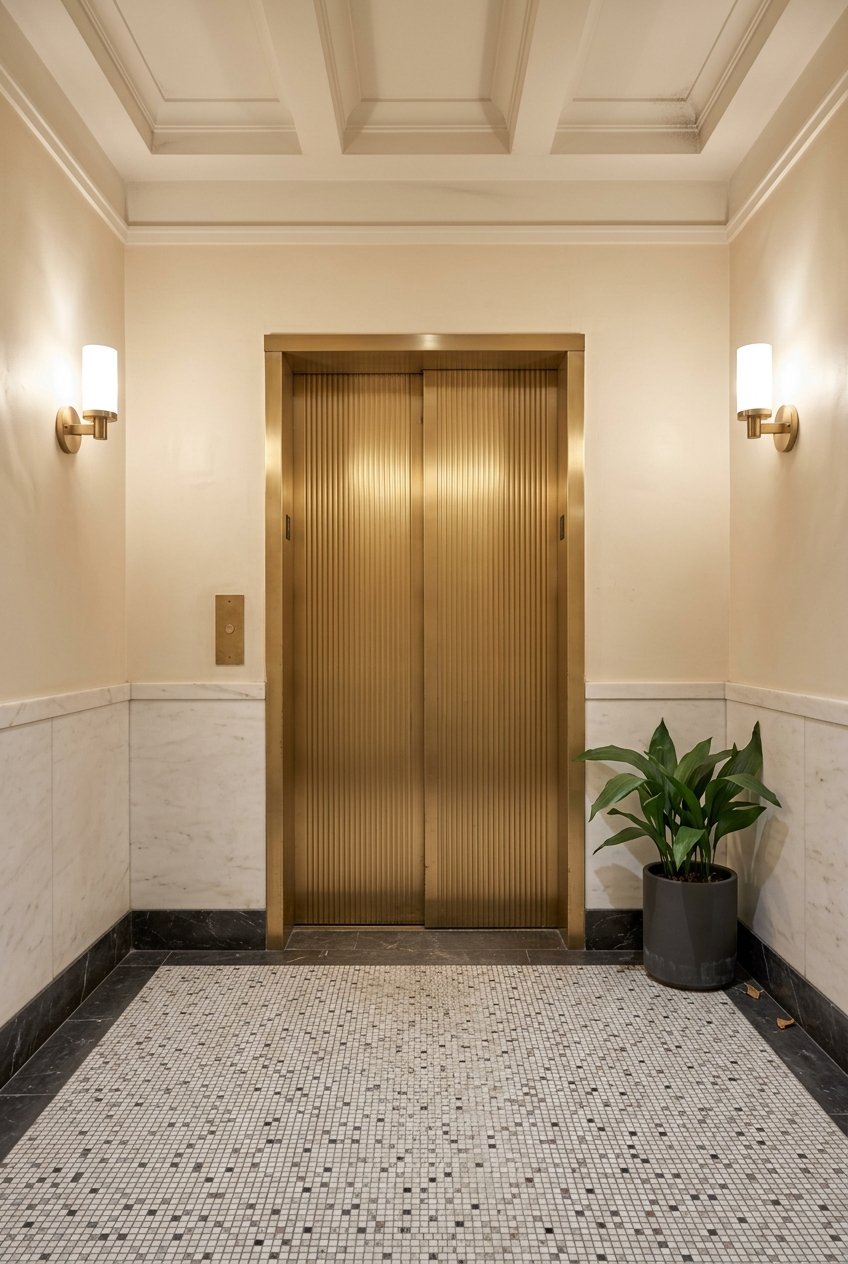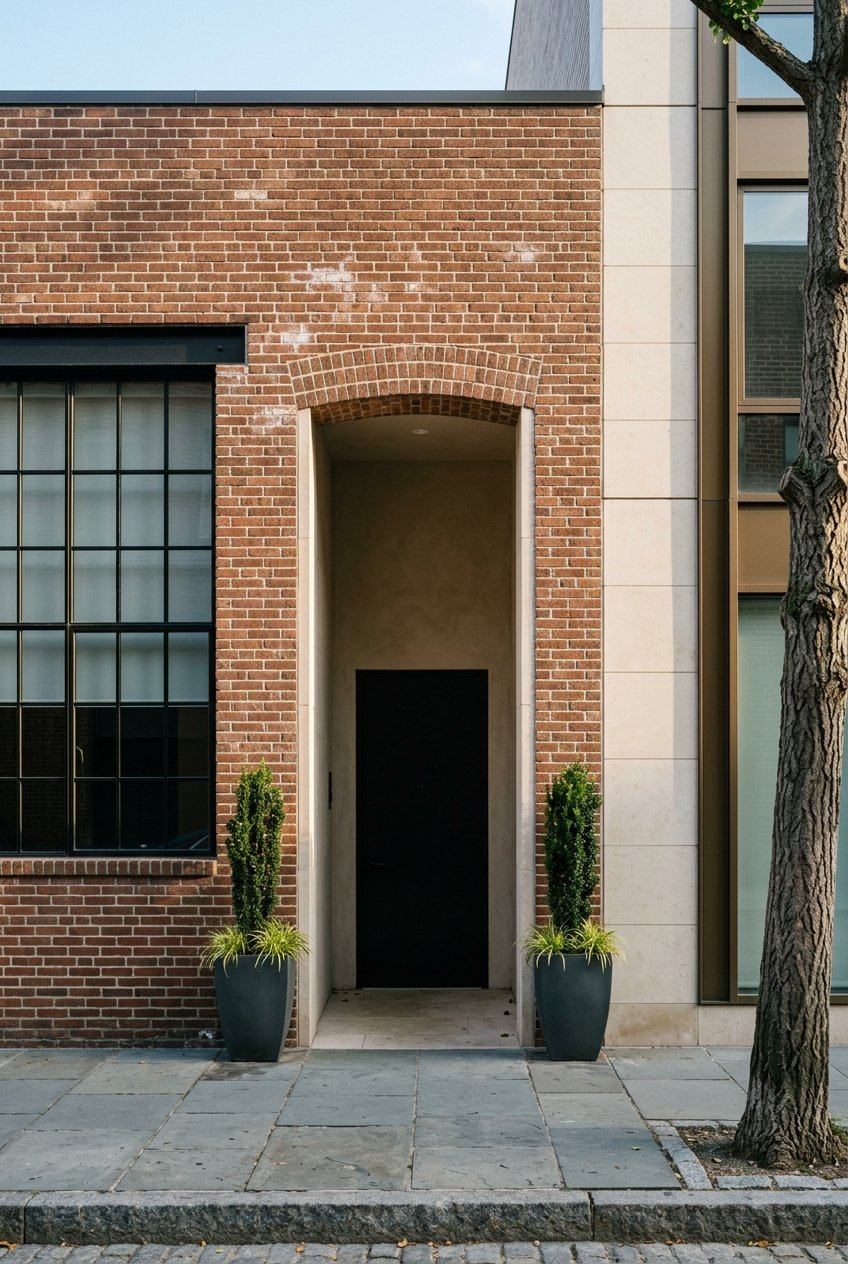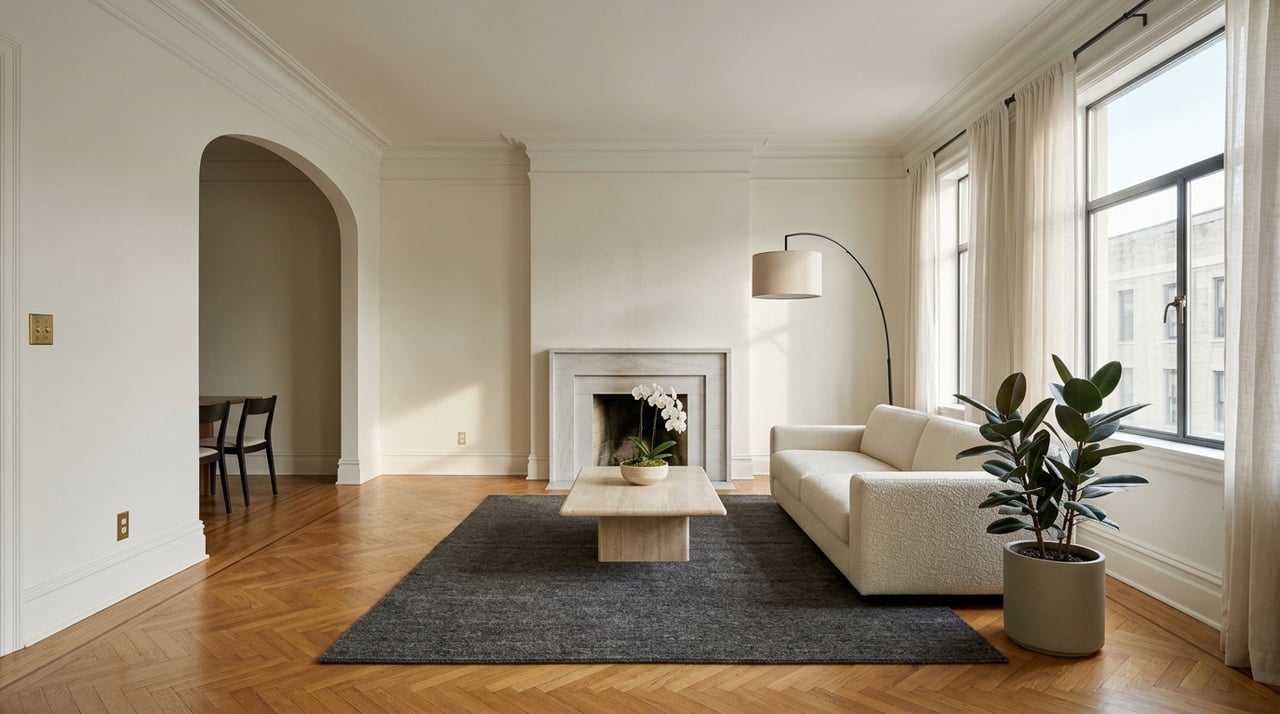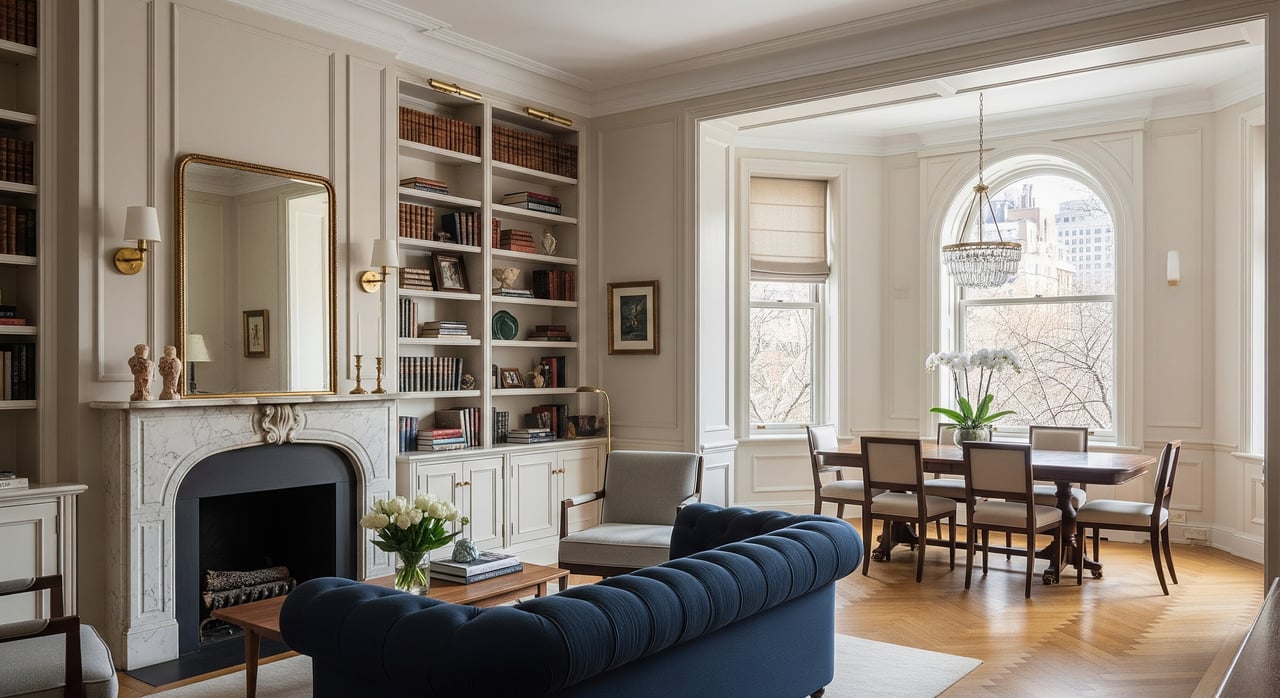
Imagine stepping through a gracious foyer into a sunlit living room with tall windows, intricate moldings and space to breathe. If that feeling speaks to you, you might be a classic six person. These Upper East Side homes blend prewar elegance with flexible rooms that fit modern life. In this guide, you will learn what defines a classic six, how the layout works, who these homes suit, and what to consider if you plan to buy or renovate. Let’s dive in.
What is a classic six?
A classic six is a prewar Manhattan apartment with six principal rooms. The typical plan includes a living room, a formal dining room, a separate kitchen, two bedrooms and a smaller maid’s room that many owners now use as an office, nursery or library. Bathrooms are not counted in the six-room description.
These apartments were created in the 1910s through the 1930s in buildings designed for gracious living and formal entertaining. Many sit in well-proportioned co-ops and mansion blocks with classical or Beaux-Arts influences.
Why the Upper East Side
The Upper East Side became a primary home for classic six layouts because of its proximity to Central Park, Museum Mile and established schools. You also find tree-lined streets, medical centers, dining and shopping within easy reach. The neighborhood’s prewar buildings make it a natural fit for this timeless apartment type.
Signature layout and details
Public and private zones
Classic sixes separate public and private spaces for comfort and privacy. You step into an entry foyer or gallery that leads to a formal living room and a separate dining room. Bedrooms typically sit down a hall away from entertaining areas, which is helpful for families and for work-from-home setups.
Kitchen and service wing
Kitchens are usually separate, windowed rooms. Many have a pantry or butler’s pantry and a small adjacent maid’s room that often includes a tiny bath. The service area was designed for flow and function, and today it offers flexible square footage for a study, guest space or expanded kitchen.
Prewar character that endures
Expect high ceilings, tall windows, hardwood floors, plaster moldings, picture rails, paneled doors and decorative fireplaces. The scale and proportion create a sense of calm and elegance. These details are a major part of the appeal for design-minded buyers who prefer character over uniformity.
Building types and amenities
Most classic sixes on the Upper East Side are in prewar co-ops that range from boutique elevator buildings to high-rises. You may also find them in brownstone conversions and mansion blocks. Typical amenities can include:
- Doorman or part-time door staff, plus a live-in superintendent
- Laundry room in building and sometimes in-unit laundry if allowed
- Storage lockers and bicycle storage
- Rooftop access or a common roof deck
- Mailrooms and package areas
- On-site parking in some buildings, though many do not offer it
Co-op maintenance generally covers property taxes, building insurance, heat and hot water, staff and common area utilities. Monthly costs vary by building and can be a key part of affordability.
Who a classic six suits
- Families who want multiple bedrooms and separation between sleeping and living spaces
- Buyers who entertain and value a formal dining room and living room
- Design lovers who appreciate original moldings, mantels and architectural detail
- Downsizers from townhouses seeking large rooms without the upkeep of a single-family home
- Remote workers needing a quiet office that does not take over the living room
The former maid’s room adds a flexible bonus space. It often becomes a home office, nursery, den or walk-in closet, which helps the layout adapt to modern needs.
Practical buying considerations
Co-op boards and process
Co-op boards on the Upper East Side can be thorough. You will submit a board package for review and likely have an interview. Boards often limit subletting and short-term rentals and may require an owner-occupancy period. Plan for lead time and gather references and financial documents early.
Financing and down payment
Most co-ops use proprietary lease rules and lenders offer share loans rather than condo mortgages. Many co-ops commonly expect 20 to 25 percent down, and some buildings require more or set loan-to-value limits. Confirm building-specific requirements early in your search.
Carrying costs and building health
Maintenance fees include property taxes and building operations. Review financial statements for the underlying mortgage, reserve fund, assessment history and recent capital projects. Lower reserves or large upcoming projects can lead to special assessments that affect monthly costs.
Renovation realities and smart updates
Approvals and permits
Most co-ops require an Alteration Agreement and board approval for work that impacts plumbing, electrical, building systems or walls. Larger projects also need NYC Department of Buildings permits. In historic districts, exterior changes may require additional approvals.
Structure and layout changes
Prewar buildings often have heavy masonry and load-bearing walls. Large open-plan conversions can be limited or require structural engineering. Many owners modernize while respecting the original proportions by opening the kitchen strategically or connecting the maid’s room to create a breakfast area or office.
Mechanical systems
Radiator heat is common and can complicate central air-conditioning. Ductless mini-split systems may be allowed depending on building rules. In-unit laundry is sometimes feasible but subject to plumbing capacity and co-op policy, so verify before planning your design.
Light, noise and exposure
Classic six apartments can be deep, with a mix of street and courtyard exposures. Corner units tend to have better cross-ventilation and more natural light. Higher floors are generally quieter, especially near busy avenues.
What drives value
- Location close to Central Park, cultural institutions, transit and services
- Higher floors, corner exposures and south or west light
- Well-preserved original details like moldings and mantels
- Strong co-op financials, storage and responsive building staff
- Thoughtful kitchen and bath upgrades that complement the apartment’s character
Heavy-handed renovations that erase defining features can reduce appeal for traditional buyers. Preservation paired with smart modernization tends to perform best.
Quick buyer checklist
Before you fall in love with a beautiful gallery or a mantel, verify the fundamentals:
- Layout fit: room count and flexibility for a home office or guest space
- Light and exposures: which rooms face the street vs. an interior court
- Storage: closet capacity and availability of a storage locker
- Systems: age and condition of plumbing, electrical and heating
- In-unit upgrades: feasibility of laundry and air-conditioning
- Building rules: sublet and pet policies, flip tax, down payment requirements
- Financials: reserve fund levels, underlying mortgage and assessment history
- Renovation history: past work and permit approvals
- Neighborhood context: proximity to parks, transit, schools, groceries and healthcare
Design notes for modern living
Classic sixes reward a design-first approach. Preserve period details like crown moldings, parquet flooring and decorative fireplaces. Modernize kitchens and bathrooms with high-quality finishes and improved storage while keeping the formal dining room intact for entertaining. The maid’s room is a strategic place to create an office, a compact guest suite or a generous walk-in closet.
If you want a more open feel, consider widening doorways, creating cased openings or integrating a butler’s pantry with the kitchen. These moves respect the apartment’s bones while improving flow.
Work with a design-informed advisor
Choosing a classic six on the Upper East Side is about layout, light, building health and a plan for tasteful updates. You get scale, character and flexible rooms that fit busy lives. With the right guidance, you can preserve what makes the home special and elevate it for today.
If you want a curated search, staging insights and a seamless co-op process, connect with Sangeeta Gupta. Her design-forward, concierge approach and Sotheby’s reach help you identify the right building, navigate approvals and maximize long-term value.
FAQs
What defines a classic six apartment?
- A prewar layout with six principal rooms: living room, dining room, kitchen, two bedrooms and a smaller maid’s room, with bathrooms not counted in the room total.
How is a classic six different from a classic seven?
- A classic seven typically adds an extra bedroom or larger service area compared to a classic six, offering more space while keeping a similar prewar plan.
What is the typical size of a UES classic six?
- Sizes vary by building, but many fall roughly in the 1,200 to 2,200 square foot range, with room counts and proportions influenced by the building’s design.
What should I know about co-op board requirements?
- Expect a board package review and interview, with rules that may limit subletting and require owner occupancy. Prepare strong financials, references and employment history.
How much down payment do UES co-ops usually require?
- Many co-ops commonly expect 20 to 25 percent down, though some buildings require larger down payments or set specific loan-to-value limits.
Can I add central air or in-unit laundry in a classic six?
- It depends on building rules and systems. Radiator heating can limit central air, but ductless mini-splits may be an option. In-unit laundry often requires board approval and plumbing capacity.
Will I need approvals for renovations in a historic district?
- Interior work needs co-op and NYC Department of Buildings approvals. Exterior or window changes in a historic district may also require approval from the Landmarks Preservation Commission.