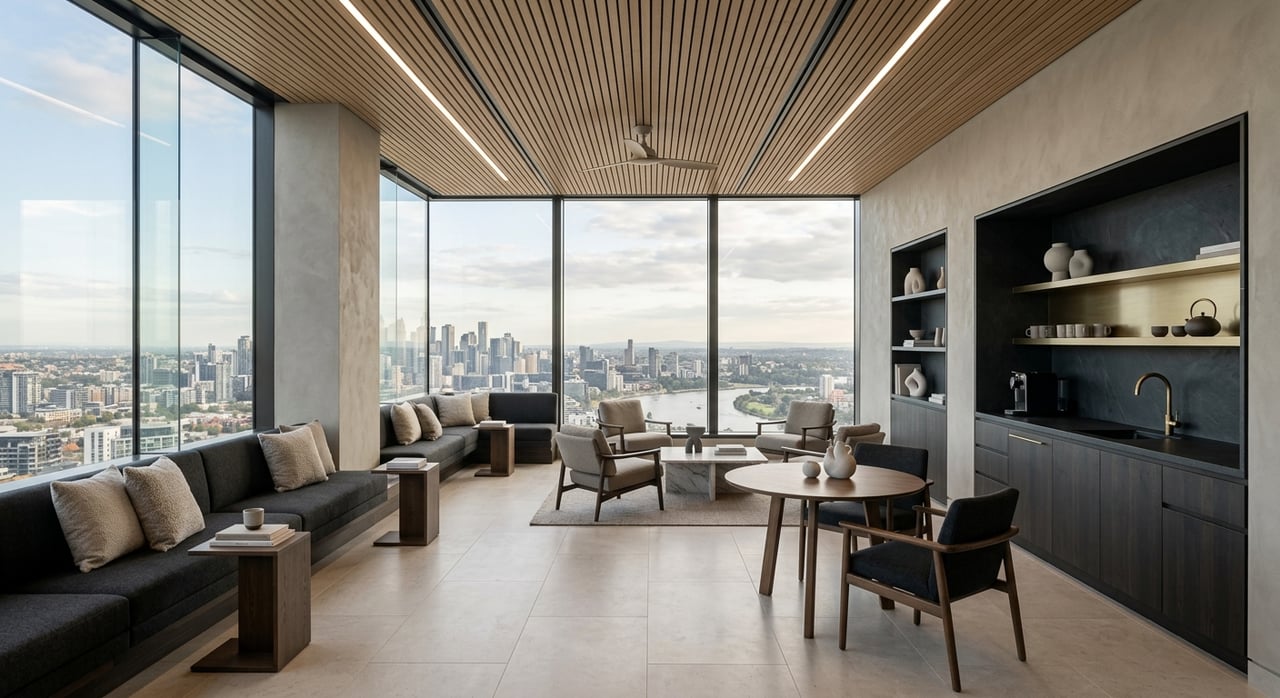
Looking for a luxury rental in Queens but not sure where to start? You are not alone. With sleek new towers, varied commute options, and a wide range of price points across the borough, Queens can feel both exciting and hard to decode. This guide will help you understand where luxury high-rise living is concentrated, what you can expect inside today’s buildings, and how to compare neighborhoods based on your lifestyle priorities. Let’s dive in.
Where luxury high-rises cluster in Queens
Queens luxury rentals are most concentrated in western waterfront districts and major transit hubs. In practice, that means your search will often center on Long Island City, Hunters Point, Astoria, Downtown Flushing, Forest Hills, Rego Park, and Jamaica.
These areas serve different renter needs. According to Queens Community Board 2’s overview of Long Island City, LIC is a fast-growing residential and commercial neighborhood with waterfront parks and a strong arts presence. Downtown Flushing and Downtown Jamaica stand out more for transit, shopping, and regional access than for skyline-driven living.
Rent data also helps frame the market. StreetEasy’s July 2025 rental report put Queens’ median asking rent at $3,375 compared with Manhattan’s $4,745, while Long Island City reached $4,500 and Jamaica came in at $2,915. RentCafe’s March 2026 neighborhood data shows a similar pattern, with LIC and Hunters Point at the top end and lower averages in Downtown Flushing and Jamaica.
Long Island City leads the luxury market
If you picture a classic Queens luxury high-rise, you are probably picturing Long Island City. LIC is the borough’s clearest concentration of newer towers, large-scale amenities, and Manhattan-facing waterfront living. It also offers notable destinations such as Gantry Plaza State Park, Hunters Point South Park, MoMA PS1, and Silvercup Studios, as highlighted by the city’s LIC neighborhood profile.
Transit is one of LIC’s biggest advantages. The MTA’s 7 line map shows stops at Queensboro Plaza, Court Sq, Hunters Point Av, and Vernon Blvd-Jackson Av, with connections to the E, F, G, N, and W in key locations. For some renters, the NYC Ferry Astoria route also adds another Manhattan-bound option via the waterfront.
For renters who want the newest buildings, robust amenity packages, and the most Manhattan-like experience in Queens, LIC and Hunters Point are often the strongest fit. That does not mean they are right for everyone, but they are usually the starting point for a premium search.
Astoria offers a local feel
Astoria appeals to renters who want access and energy without giving up a more neighborhood-driven atmosphere. According to Queens Community Board 1, Astoria is known for its restaurant scene, sidewalk cafes, major retail corridors, and cultural anchors like the Museum of the Moving Image and Kaufman Astoria Studios.
The area also has pockets of higher-rise living near the waterfront and Queens Plaza. You still get strong transportation links, including subway access and ferry service. The MTA’s W line map and the Astoria ferry route support convenient travel into other parts of the city.
From a budget standpoint, Astoria often sits below LIC but remains in the premium tier for Queens. RentCafe’s March 2026 data places Old Astoria at $3,390 on average, making it a useful option if you want a polished rental with a slightly different feel than the waterfront tower clusters.
Flushing, Forest Hills, and Jamaica bring value
Not every luxury-minded renter in Queens is looking for a waterfront tower. Some prioritize transit, convenience, or a more residential setting. That is where Flushing, Forest Hills, Rego Park, and Jamaica become especially relevant.
Flushing for transit and convenience
Downtown Flushing is a dense center for retail, transportation, and daily convenience. The Flushing West planning study describes a vibrant mix of office, retail, residential, and institutional uses, with access to the 7 train terminal, the LIRR’s Flushing-Main Street station, and numerous bus lines.
For renters who travel often, location can be a major advantage. The same city study notes that Downtown Flushing is less than two miles east of LaGuardia Airport and about eight miles north of JFK. Rent-wise, RentCafe reports an average of $2,202 for Downtown Flushing, which may appeal if you value connectivity more than waterfront views.
Forest Hills and Rego Park for balance
Forest Hills and Rego Park can be a smart middle ground if you want quality housing options in areas that feel more residential. Queens Community Board 6 describes Forest Hills as a neighborhood with both low- and high-density residential buildings, while Rego Park combines residential and commercial uses around major shopping corridors.
Transit remains a draw here too. The Forest Hills 71 Av station is served by the E, F, M, and R trains, and the neighborhood also has Long Island Rail Road service. These areas may suit renters who want convenience and solid transit without focusing on a waterfront high-rise lifestyle.
Jamaica for access and relative value
Jamaica is an important option for renters who prioritize regional transportation and airport access. Queens Community Board 12 identifies Downtown Jamaica as a major retail, employment, and transportation hub, and the area connects to the LIRR, subway service, and AirTrain JFK.
It may not be the borough’s most classic luxury tower district, but it can make sense for relocations and frequent flyers. StreetEasy’s report also noted a year-over-year increase in rental inventory in Jamaica, which can create more options for renters comparing price, space, and move-in costs.
What luxury high-rises include now
Queens luxury buildings increasingly offer a similar core package of amenities, especially in newer developments. In Long Island City, Lumen advertises a 66th-floor amenity terrace, pool and spa, lounge, and gym. Link Apartments QPN highlights an outdoor pool, rooftop terrace, coworking spaces, resident lounge, fitness center, and game room.
In Rego Park, Trylon Tower includes a rooftop Sky Club, fitness center, terrace, parking, doorman and virtual doorman access, keyless entry, and a pet wash station. While every building is different, this gives you a realistic picture of what many renters now expect at the higher end of the market.
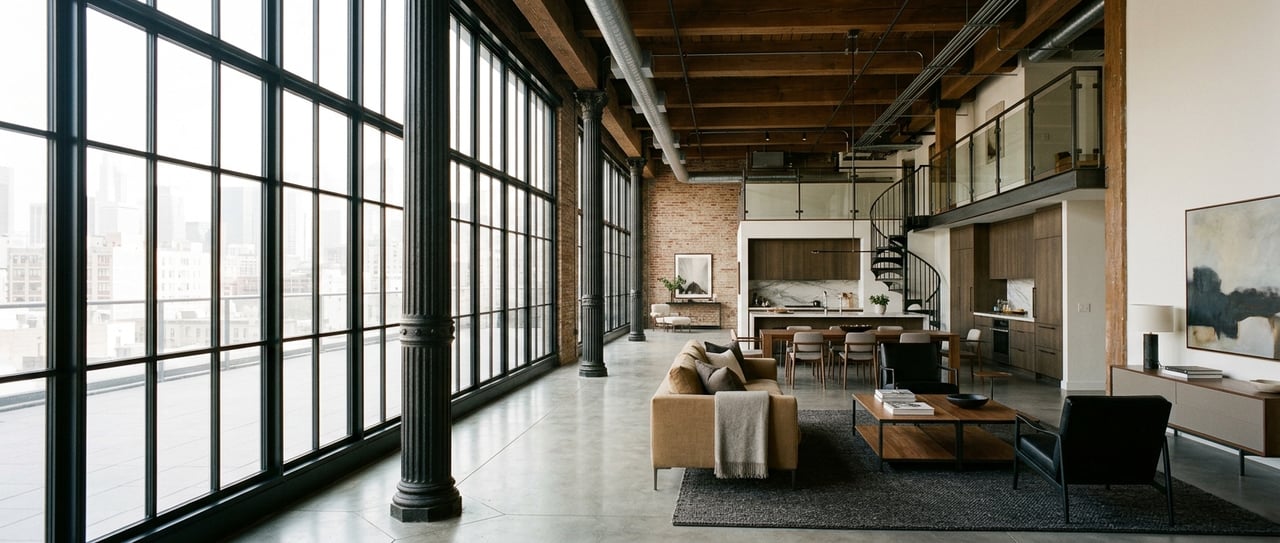
Inside the apartments, finishes usually focus on clean modern design and everyday convenience. The Aura LIC brochure lists washer and dryer in every residence, large or walk-in closets, 9'4" ceilings, and floor-to-ceiling windows. Trylon Tower emphasizes quartzite countertops, custom cabinetry, stainless steel appliances, and plank wood flooring.
How to compare buildings wisely
A polished lobby and rooftop deck can be appealing, but your best choice usually comes down to how the building supports your day-to-day life. Start by comparing options through a few practical filters.
Focus on commute first
For direct access to Midtown and Grand Central, LIC is often the strongest fit because of the 7 train’s route and transfers. If you rely on the LIRR, Forest Hills and Jamaica deserve a close look. If airport access matters, Jamaica stands out because of its connection to AirTrain JFK.
Weigh lifestyle and setting
If open space and waterfront living matter to you, LIC and Astoria offer some of Queens’ strongest options. The city is also planning a 16-mile Queens Waterfront Greenway, which reflects continued investment in waterfront access and outdoor connectivity.
If your priorities are shopping, transit, and practical convenience, Flushing may be a better match. If you prefer a more residential feel, Forest Hills and Rego Park may deserve a place on your shortlist.
Look beyond base rent
Base rent is only part of the picture. StreetEasy’s July 2025 report noted that 19.4% of Queens rentals offered concessions, and inventory rose year over year in several Queens submarkets. That means two buildings with similar asking rents may have very different total move-in costs.
A smart comparison should include:
- Monthly rent
- Concessions or promotional offers
- Amenity value
- Commute time
- Building services
- Up-front move-in costs
- Lease flexibility, if offered
Know the broker fee rules
If you are renting in New York City, broker fee rules are an important part of your search. According to the city, the FARE Act and NYC broker fee guidance state that neither a landlord nor a landlord’s agent can impose or collect a broker fee from a tenant for a broker retained by the landlord, except in limited preexisting-obligation situations.
In plain terms, you should ask early who hired the broker and whether the listing is no-fee, landlord-paid, or tenant-paid under an older agreement. This can help you avoid confusion and compare listings more accurately.
Why guided rental advice still matters
Even in a market with more online information, luxury rentals in Queens can move quickly and vary widely by neighborhood. One building may deliver stronger amenity value, while another may win on commute or total cost. A hands-on advisor can help you narrow the search based on what actually matters to your routine, your timing, and your budget.
If you are relocating, balancing multiple priorities, or simply want a more curated search, personalized guidance can save time and reduce friction. For tailored support with premium rentals and a concierge-level approach, connect with Sangeeta Gupta.
FAQs
What neighborhoods have the most luxury high-rise rentals in Queens?
- Long Island City and Hunters Point are the clearest luxury high-rise clusters, with additional options in Astoria, Flushing, Forest Hills, Rego Park, and Jamaica.
What does luxury high-rise living in Queens usually include?
- Many newer buildings offer features like fitness centers, lounges, rooftop spaces, pools, coworking areas, in-unit washer and dryer setups, and modern kitchen finishes.
What Queens neighborhood is best for commuting to Midtown Manhattan?
- Long Island City is often the strongest choice for Midtown access because of the 7 train and key subway connections at Court Sq and Queensboro Plaza.
What Queens neighborhood is best for airport access?
- Jamaica is especially useful for airport access because it connects to the LIRR, subway service, and AirTrain JFK, while Downtown Flushing is also positioned relatively close to LaGuardia and JFK.
Are Queens luxury rentals less expensive than Manhattan rentals?
- Directionally, yes. The research provided shows Queens median asking rent below Manhattan’s, though pricing varies significantly by neighborhood and building.
How should renters compare luxury buildings in Queens?
- Compare total move-in cost, commute, concessions, amenities, and building services rather than looking at base rent alone.