Trying to choose between a prewar and postwar co-op on the Upper West Side? That decision shapes more than the look of your apartment. It can affect how the home functions, what your monthly costs may cover, how much renovation work you might face, and even what changes you can make later. If you are comparing listings and wondering which era fits your lifestyle, this guide will help you read the differences with more confidence. Let’s dive in.
Why building era matters
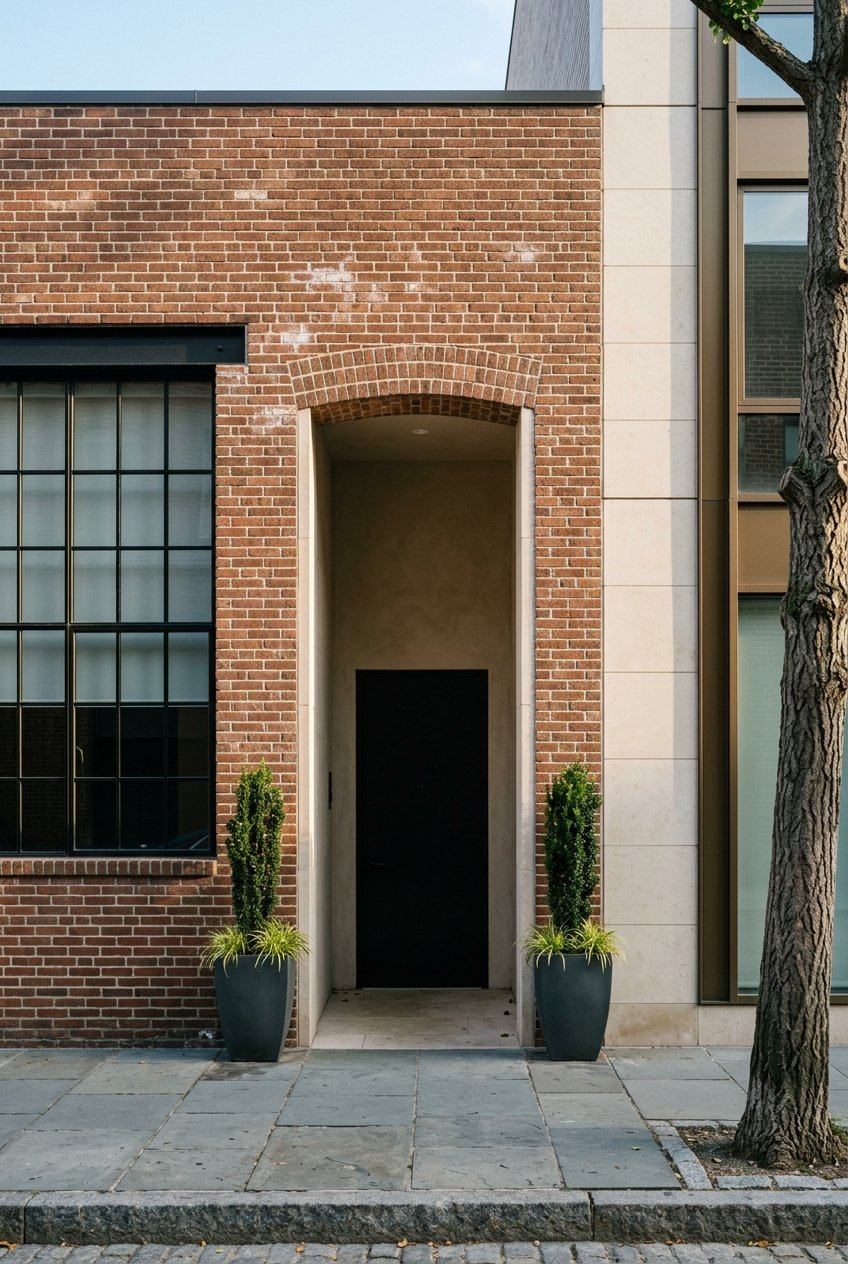
On the Upper West Side, building era is one of the fastest ways to understand how an apartment may live day to day. NYC Planning describes a neighborhood with large prewar apartment buildings along Riverside Drive and West End Avenue, early 1900s apartment houses and row houses in Manhattan Valley, and 1950s tower developments such as Park West Village.
That mix means the words prewar and postwar are more than listing shorthand. In New York, prewar generally refers to buildings built before World War II, while postwar usually refers to buildings built after World War II and before 1990. On the Upper West Side, those labels often point to real differences in layout, storage, ceiling height, systems, and renovation complexity.
What prewar co-ops usually offer
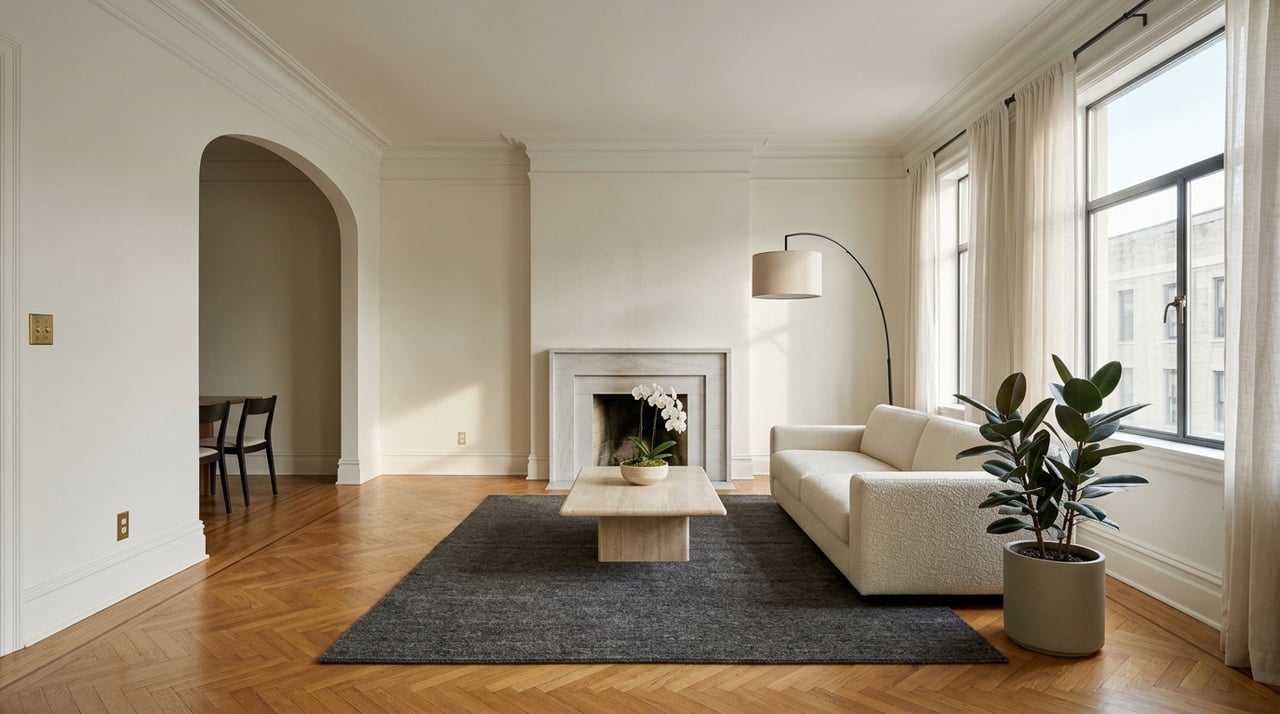
Prewar co-ops are often the choice for buyers who want character and proportion. These homes are known for formal room separation, larger foyers, wide hallways, larger bedrooms, and higher ceilings. You may also see original hardwood floors, built-ins, brass fixtures, and sometimes wood-burning fireplaces.
On the Upper West Side, prewar inventory often includes the classic six layout. That usually signals a six-room apartment with a more traditional floor plan, often including a separate dining room and an additional smaller room.
For many buyers, the appeal is emotional as much as practical. A prewar apartment can feel elegant, layered, and distinctly New York. If you care about architectural detail and a sense of history, prewar homes often deliver that in a way newer layouts do not.
Common prewar strengths
- Higher ceilings
- Formal living and dining spaces
- Larger bedrooms and foyers
- Original details and built-ins
- Distinctive Upper West Side character
Common prewar tradeoffs
- Smaller kitchens and bathrooms
- Less closet space
- Rare central air
- Layouts that can be harder to furnish
- Greater chance of renovation or repair needs
What postwar co-ops usually offer
Postwar co-ops tend to attract buyers who prioritize function, flexibility, and convenience. These apartments often have a more uniform look, but they can make up for that with practical layouts and more efficient use of space.
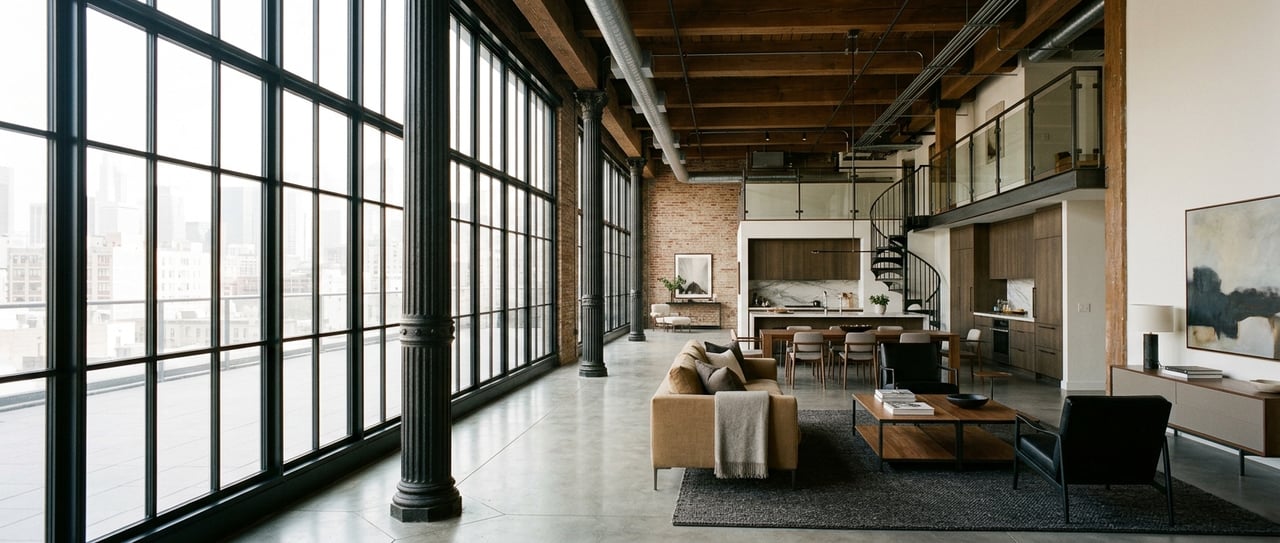
Compared with many prewar homes, postwar apartments often have lower ceilings but larger windows with better insulation, more generous closets, and layouts that are easier to reconfigure. Some also include private outdoor space, which can be a meaningful advantage in Manhattan living.
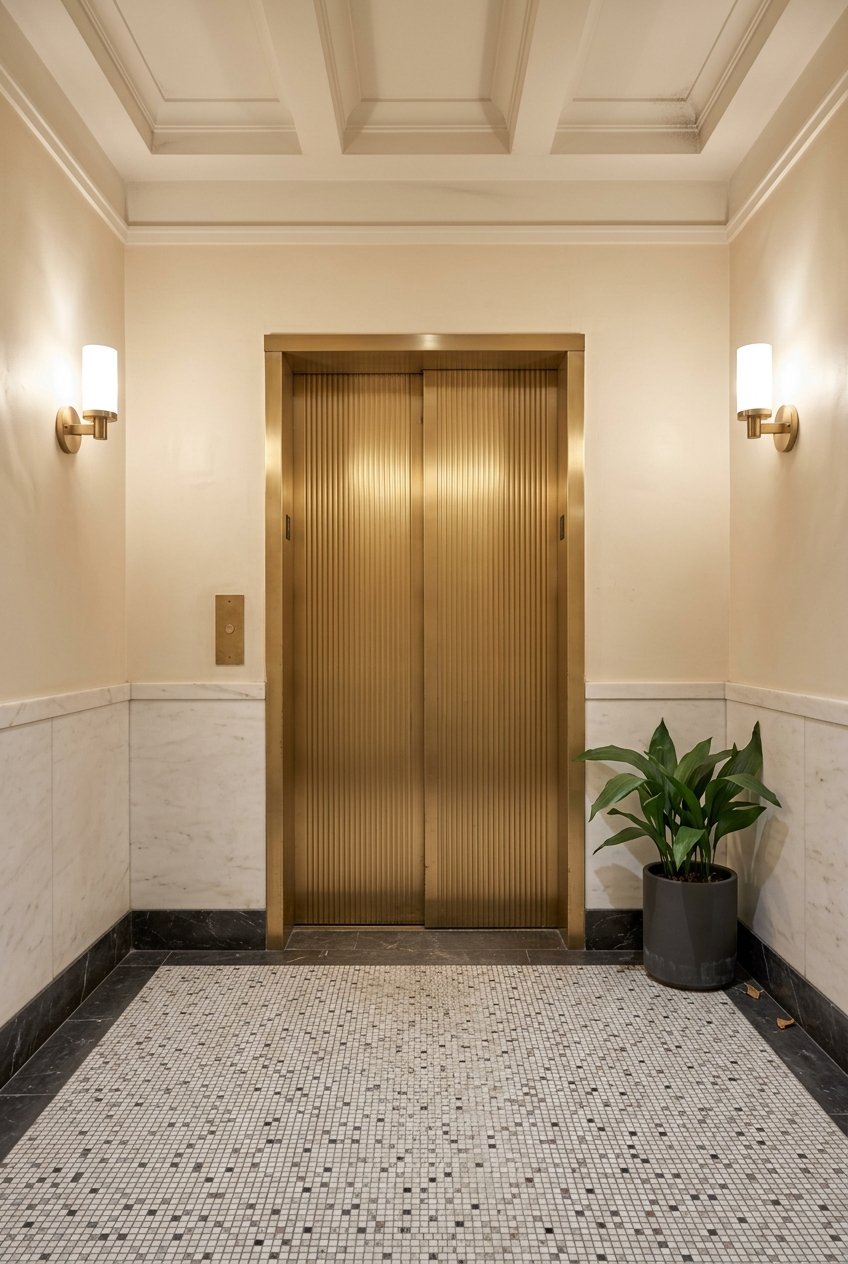
Postwar buildings are also more likely to feature updated systems and common amenities. Depending on the building, that can include central air conditioning, more modern electrical and plumbing systems, resident lounges, gardens, rooftop terraces, fitness centers, or pools.
Common postwar strengths
- Better storage and closet space
- Larger windows
- More flexible layouts
- Greater chance of modern systems
- Potential for amenities and outdoor space
Common postwar tradeoffs
- Lower ceilings than many prewar homes
- Less architectural detail
- More standardized layouts and finishes
- Less of the formal room separation some buyers want
Upper West Side layout terms to know
If you are shopping co-ops on the Upper West Side, a few listing terms can help you quickly understand what you are seeing.
Classic six
A classic six is typically a six-room apartment in a prewar building. On the Upper West Side, that often means a traditional floor plan with a formal living room, separate dining room, kitchen, two main bedrooms, and a smaller additional room.
Junior four
A junior four is usually a one-bedroom with a bonus room or a large living area that can be subdivided. This layout is often associated with postwar buildings and can appeal to buyers who want some flexibility without stepping up to a full two-bedroom.
Maintenance
In a co-op, you are buying shares in a corporation along with a proprietary lease, not direct ownership of the apartment itself. Monthly maintenance generally covers building operating costs based on your shares and often includes taxes, heat and hot water, gas, insurance, and sometimes an underlying mortgage.
Cost and value considerations
Price is never the only factor, but it often helps clarify which era makes sense for you. In general, prewar homes with generous square footage and original detail tend to command higher prices. They can also bring renovation costs if kitchens, bathrooms, or building systems need updating.
The New York State Attorney General points buyers toward some of the most expensive building-wide issues in existing buildings, including facade, roof, elevator, plumbing, electrical, and boiler work. Those items matter whether you are looking at a prewar or postwar property, but they can be especially important when evaluating older buildings.
Postwar apartments are often seen as a practical value play. They are frequently less expensive than prewar apartments or new-construction condos, and they may come with lower monthly carrying costs. For buyers who value clean layouts and functionality over ornament, that can be a very attractive balance.
Renovation and approval issues
If you plan to renovate, the building era can affect both your vision and the process. In many prewar apartments, older layouts, original details, and aging systems can create more moving parts. Even if the apartment looks beautiful, you still need to understand what has already been updated and what may need attention.
The New York City Department of Buildings notes that renovation filings can apply to reconfiguration or replacement of interior partitions. On the Upper West Side, that matters because layout changes are common when buyers want to open up kitchens or improve flow.
Historic district rules can also shape what is possible. Parts of the Upper West Side fall within landmarked historic districts, including the Upper West Side/Central Park West and Riverside-West End Extension II areas. The Landmarks Preservation Commission says most exterior changes in historic districts require review, and some interior work may also require approval if it affects the exterior or involves a designated interior landmark.
For buyers, this does not mean you should avoid landmarked buildings. It means you should understand the approval path early, especially if your wish list includes window changes, facade work, rooftop work, or added mechanical systems.
Smart due diligence before you buy
A beautiful apartment is only part of the story in a co-op purchase. Before signing, the New York State Attorney General recommends reading the full offering plan and reviewing board minutes, financial reports, and violation history.
That review can reveal whether the building has expensive work underway or on the horizon. It can also help you spot patterns involving repairs, recurring complaints, or capital projects that may affect your budget after closing.
Questions to ask at a showing
- What is original in the apartment, and what has already been renovated or replaced?
- Are there dropped ceilings, visible ducts, or other signs that height or systems were altered?
- How much storage is original, and how much was added later?
- Is central air already in place?
- If central air is not in place, would installation require board approval or landmark review?
- Are any window, facade, or rooftop changes allowed under building rules and local preservation rules?
- Are there upcoming assessments or capital projects tied to roof, elevator, facade, plumbing, or boiler work?
Which co-op era fits your lifestyle?
For many Upper West Side buyers, this comes down to what matters most in daily life. If you love character, room separation, and architectural richness, a prewar co-op may feel worth the extra complexity. If you want better storage, easier layouts, and a more straightforward mechanical setup, a postwar co-op may be the better fit.
Neither choice is universally better. The right apartment is the one that matches how you live, what level of renovation you are comfortable with, and how you want your home to feel the moment you walk in.
On the Upper West Side, that decision is also highly building-specific. Two apartments with the same era label can live very differently depending on renovation history, board rules, building finances, and preservation constraints. That is where a careful, design-aware reading of the details becomes especially valuable.
If you are weighing prewar charm against postwar ease on the Upper West Side, working with an advisor who can evaluate both layout and long-term practicality can make the search much clearer. For tailored guidance on Manhattan co-ops and a design-forward buying strategy, connect with Sangeeta Gupta.
FAQs
What does prewar mean for an Upper West Side co-op?
- In New York listing language, prewar generally means a building constructed before World War II. On the Upper West Side, that often signals higher ceilings, more formal layouts, and original architectural details.
What does postwar mean for an Upper West Side co-op?
- Postwar generally refers to buildings constructed after World War II and before 1990. These apartments often offer more storage, larger windows, and layouts that feel more flexible and functional.
What is a classic six in an Upper West Side prewar building?
- A classic six is usually a six-room apartment in a prewar building. It often includes a formal living room, separate dining room, kitchen, two main bedrooms, and a smaller extra room.
What is a junior four in an Upper West Side postwar building?
- A junior four is typically a one-bedroom apartment with a bonus room or a large living area that can be subdivided. It is a common layout term in postwar buildings.
What does co-op maintenance usually cover in New York City?
- Co-op maintenance typically covers building operating costs based on your shares and often includes taxes, heat and hot water, gas, insurance, and sometimes an underlying mortgage.
What should buyers review before purchasing an Upper West Side co-op?
- Buyers should review the offering plan, board minutes, financial reports, and violation history, and ask about upcoming repairs or assessments involving facade, roof, elevator, plumbing, electrical, or boiler work.