If you are considering a condo in DUMBO as a long-term investment, the neighborhood’s appeal is easy to see. You get a waterfront setting, iconic architecture, strong transit access, and a built environment that feels distinct from many other parts of Brooklyn. But long-term value in DUMBO is rarely about the ZIP code alone. It comes down to how a specific building, unit, and location within the neighborhood fit together over time. Let’s dive in.
Why DUMBO stands out
DUMBO is not a typical condo market. Official planning materials describe it as a former manufacturing district on Brooklyn’s East River waterfront that evolved through loft conversions and later mixed-use redevelopment. That history still shapes what you can buy today.
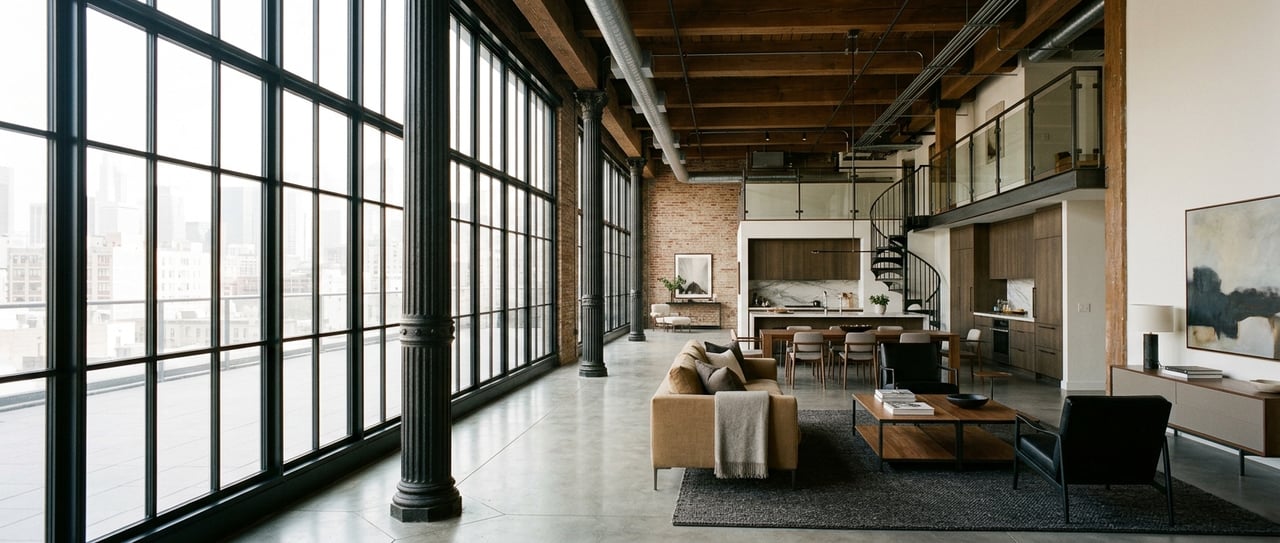
Many of the area’s best-known residential buildings began as warehouses and factories built roughly between 1880 and 1930. Those industrial roots help explain why so many DUMBO condos feature oversized windows, high ceilings, and open layouts that continue to attract long-term buyers.
DUMBO’s history affects condo value
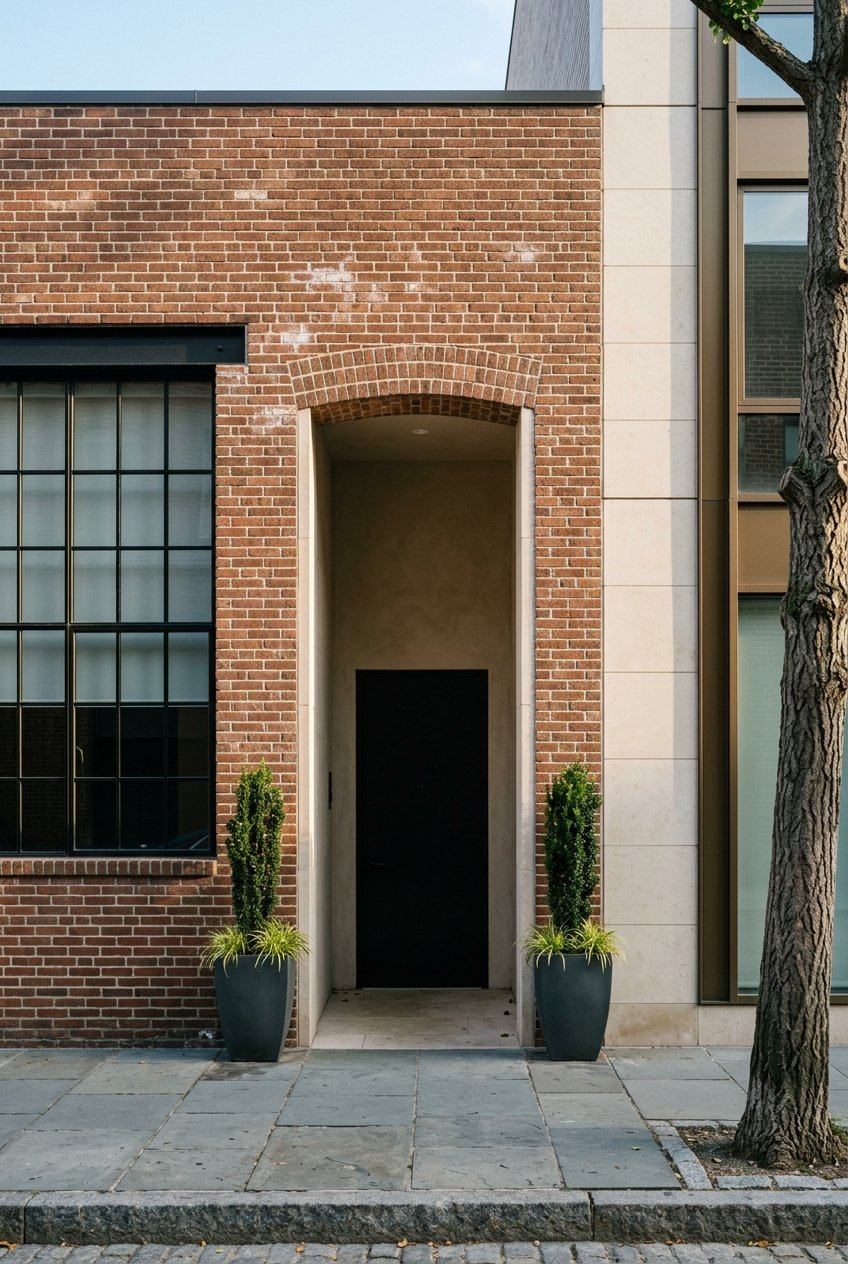
Because DUMBO developed through a long conversion cycle, the neighborhood offers a wide range of condo products. Some buildings remain close to their original industrial shell, while others have been heavily updated with newer finishes, altered rooftops, replaced windows, or reworked common spaces.
That variation matters if you are thinking like a long-term owner. Two condos with similar square footage can offer very different experiences depending on building condition, layout efficiency, and how well the original structure was adapted for residential use.
Historic preservation adds scarcity
A large share of DUMBO falls within historic districts, and many properties are designated buildings subject to review for major exterior changes. For you as a buyer, that can mean a more protected streetscape and a more limited redevelopment pipeline than you might see in a non-historic neighborhood.
Scarcity does not guarantee future performance, but it can support long-term appeal. In a place where the built environment is closely managed, the neighborhood’s character is less likely to change quickly or dramatically.
Newer buildings offer a different profile
DUMBO also includes newer mixed-use development shaped by the city’s rezoning framework. That means you are not just choosing between “old” and “new.” You are comparing different ownership experiences, design styles, and maintenance expectations.
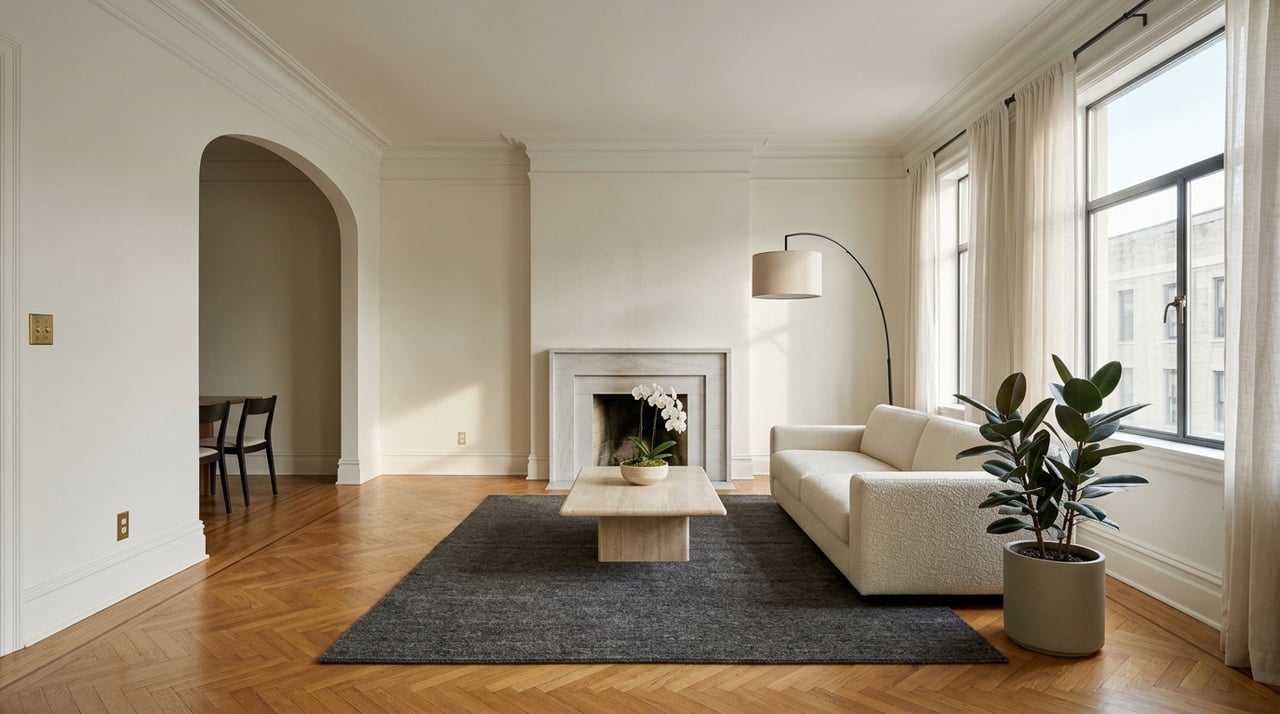
In practical terms, newer buildings may appeal to buyers who want more contemporary systems and finishes. Converted loft buildings may appeal to buyers who prioritize character, scale, and architectural detail. Neither category is automatically the better investment. The better fit depends on the specific property.
What can support long-term appeal
When buyers think about long-term value in DUMBO, several local factors stand out. The strongest properties often combine neighborhood scarcity with practical day-to-day advantages that remain attractive over time.
Those advantages usually include light, views, transit convenience, waterfront access, and a building that has been maintained thoughtfully. In DUMBO, details like orientation and floor height can carry unusual weight.
Light and window exposure matter
The neighborhood’s industrial buildings were originally designed to bring more sunlight into workspaces. That design history helps explain why many loft condos feel bright and airy today.
If you are comparing units, pay close attention to window size, exposure, and how light moves through the home during the day. In older conversions especially, the quality of natural light can make a major difference in both daily enjoyment and long-term buyer appeal.
Views can strengthen staying power
Brooklyn Bridge Park stretches 1.3 miles along the East River across 85 acres of former industrial waterfront, and its expansive Lower Manhattan views are a major part of the neighborhood’s draw. Units with park, skyline, river, or open western exposures may hold stronger long-run appeal than homes facing tighter interior conditions.
That does not mean every view commands the same value forever. It does mean that in DUMBO, sightlines and openness are worth studying carefully before you buy.
Transit access supports daily livability
DUMBO offers strong transit access for a waterfront neighborhood. Planning materials identify nearby F train service at York Street, A and C service at High Street, and bus access including the B61 and B25.
The area also benefits from ferry access and broader connections near Brooklyn Bridge Park. For a long-term owner, that kind of flexibility can support convenience and marketability, especially for buyers who want multiple commuting and travel options.
Public investment matters too
Neighborhood value is not shaped by private buildings alone. Public improvements can reinforce how a place functions and feels over time.
In 2025, New York City completed a $108 million DUMBO infrastructure project that restored 26 blocks, rebuilt cobblestoned streets, improved stormwater drainage, reduced combined sewer loading, added bike lanes, and created Pearl Street Plaza. Projects like this do not change your apartment’s floor plan, but they can improve the broader ownership experience and help sustain neighborhood desirability.
Key risks to weigh before buying
A polished lobby or dramatic view should not distract you from practical diligence. In DUMBO, some of the most important long-term considerations are building-specific and location-specific.
If you want to buy with a long horizon in mind, your analysis should go beyond finishes and include resilience, ownership costs, and how the building itself has been maintained.
Flood risk deserves close review
Because DUMBO sits on the East River waterfront, flood exposure should be a core part of your review. New York City’s Flood Hazard Mapper shows current and future coastal flood hazards, and city housing guidance also points owners to resources on flood risk, flood insurance, and resiliency measures.
Flood risk is expected to worsen with climate change, and extreme rainfall can strain drainage systems. For you, that means reviewing flood maps, likely insurance costs, lower-floor exposure, and the building’s preparedness for severe weather before you commit.
Parking can be a tradeoff
If you expect to rely on a car, DUMBO may present challenges. Brooklyn Bridge Park notes that parking near the park is very limited.
For some buyers, that is a minor issue because transit and ferry access are strong. For others, limited parking may affect day-to-day convenience and should be part of your ownership calculus.
Compare buildings, not just addresses
One of the biggest mistakes buyers make in DUMBO is treating the neighborhood like a single condo asset class. It is not. Local preservation records make clear that some buildings remain relatively close to their historic form, while others have undergone extensive and expensive conversion work.
That means a smart comparison process should focus on the building first, then the unit. The neighborhood name may get your attention, but the building details often shape long-term satisfaction.
What to review building by building
As you compare options, focus on these practical points:
- Building condition and upkeep
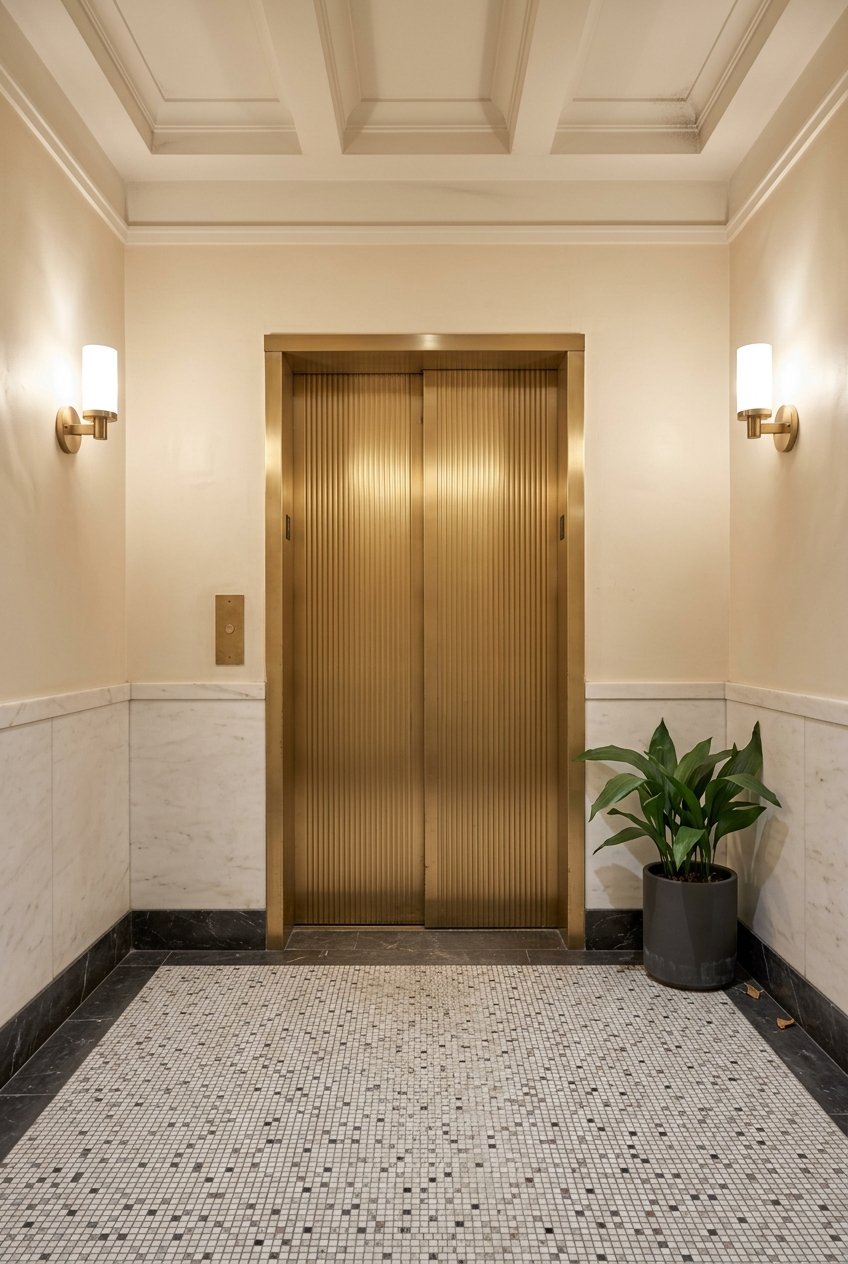
- Quality of common areas
- Window orientation and available light
- Floor height and openness of views
- How much original industrial character remains
- Whether the layout works for everyday living
- Lower-floor vulnerability and resilience planning
- The balance between historic charm and modern systems
In DUMBO, those details can matter just as much as the address itself. A better building and a better exposure may outperform a more visually impressive unit that has weaker fundamentals.
Loft conversion vs. newer condo
If you are deciding between a classic conversion and a newer mixed-use condo, it helps to think in terms of ownership profile rather than simple preference.
Here is a practical comparison:
| Factor | Loft Conversion | Newer Condo |
|---|---|---|
| Character | Often stronger historic character | Usually more contemporary feel |
| Windows and ceiling height | Often dramatic and distinctive | Varies by building design |
| Layout style | Can be open and less conventional | Often more standardized |
| Building variation | High, with building-specific differences | Still varies, but often more uniform |
| Long-term review focus | Conversion quality and preserved elements | Systems, finishes, and building operations |
Neither option is automatically better. The goal is to find a property where the building quality, unit features, and your long-term plan align.
A smart long-term mindset for DUMBO
The long-term case for a DUMBO condo rests on several overlapping strengths. The neighborhood combines historic scarcity, waterfront access, strong transit, distinctive architecture, and continued public investment.
Still, the most compelling purchases are usually the ones that pair that neighborhood story with practical advantages. Good light, open views, solid building condition, and a floor plan that supports real daily living are often what turn a beautiful condo into a durable long-term asset.
If you are considering DUMBO, a design-aware and detail-focused buying process matters. With the right guidance, you can look past surface appeal and identify the homes that offer both emotional pull and lasting value. For tailored guidance on buying in New York with a thoughtful, design-led approach, connect with Sangeeta Gupta.
FAQs
What makes DUMBO condos different from condos in other Brooklyn neighborhoods?
- DUMBO’s condo market is shaped by historic warehouse and factory conversions, newer mixed-use development, waterfront access, and a large concentration of protected historic buildings.
What should you compare when evaluating DUMBO condos as long-term investments?
- You should compare building condition, common-area quality, unit exposure, natural light, views, layout function, and how the building balances historic character with residential updates.
Why do views and light matter so much in DUMBO condos?
- Many DUMBO buildings were designed with large industrial windows, and units with strong light, open exposures, and park, river, or skyline views may have more lasting buyer appeal.
How important is flood risk when buying a condo in DUMBO?
- Flood risk is an important ownership consideration because DUMBO is on the East River waterfront, so you should review flood exposure, insurance implications, lower-floor vulnerability, and building preparedness.
Are newer DUMBO condos better investments than loft conversions?
- Not necessarily. Newer condos and loft conversions offer different ownership profiles, so the better long-term choice depends on the specific building, unit quality, and your priorities.
Does public investment support long-term appeal in DUMBO?
- City investment in streets, drainage, bike lanes, and public space can strengthen the neighborhood’s functionality and desirability over time, even though it does not directly change individual buildings.