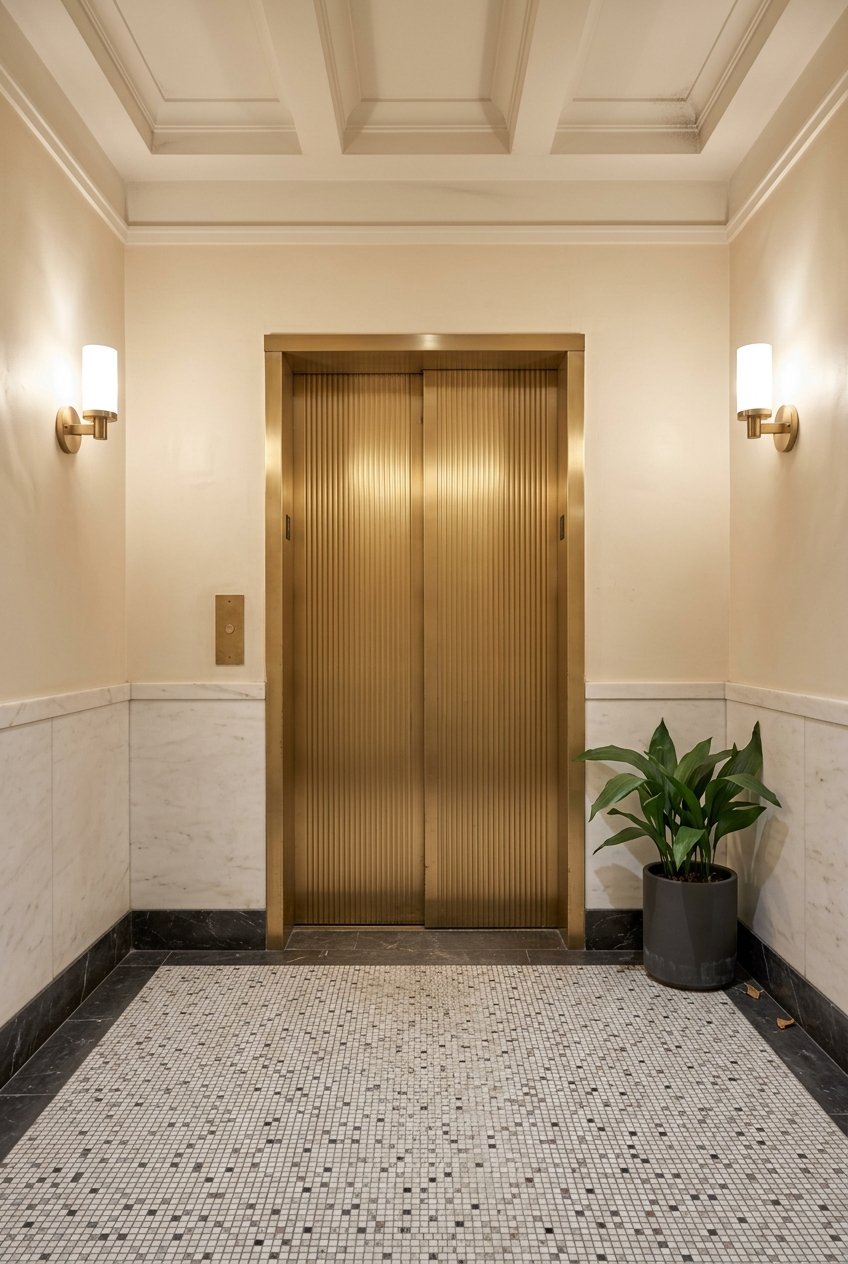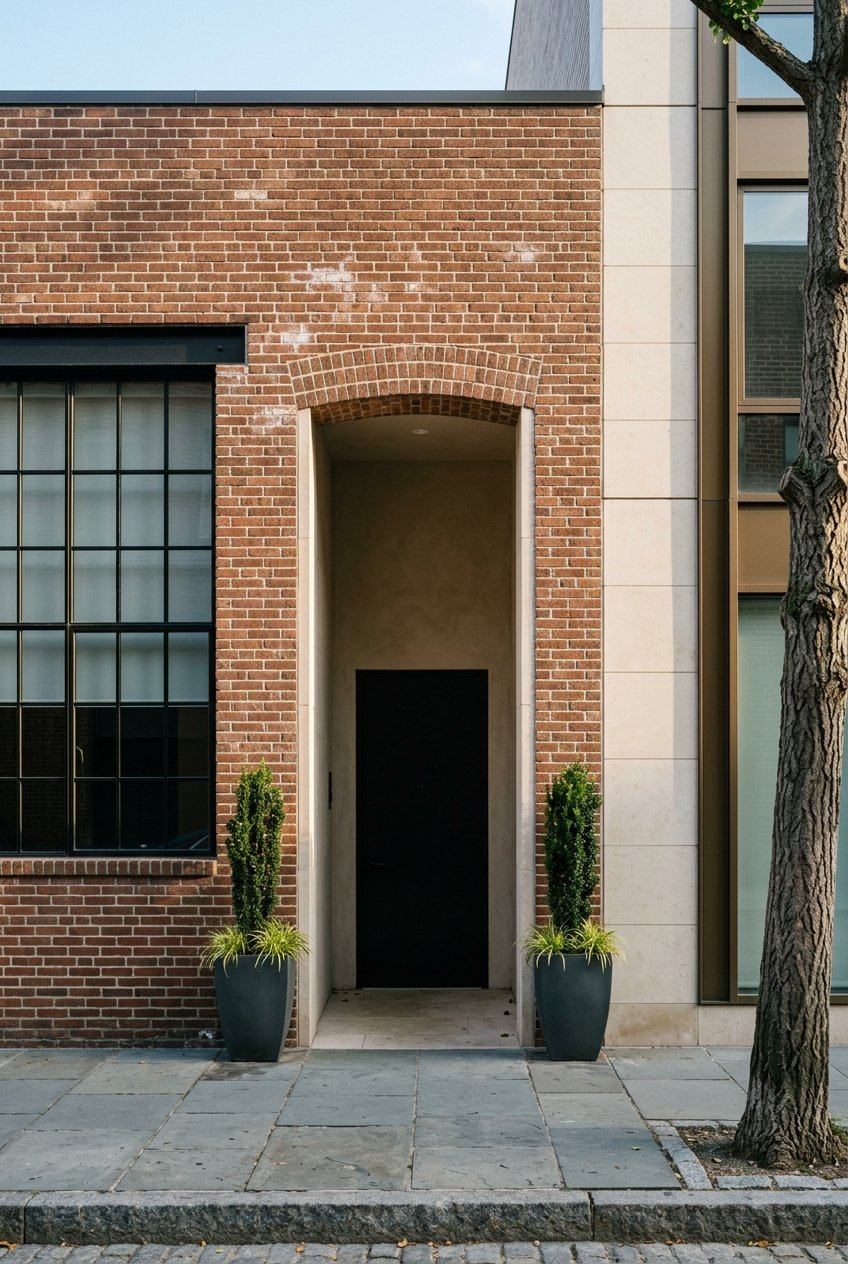
You do not have to be a full-time developer to invest intelligently in Manhattan condos. The real question is whether you want speed and certainty, or whether you are prepared to take on renovation complexity in exchange for possible upside. If you are weighing a move-in-ready unit against a property with improvement potential, understanding the math and the timing matters. Let’s dive in.
Manhattan market context
Manhattan remains active, but it is not a bargain market. According to the 1Q26 Manhattan market report from Miller Samuel, the median sales price reached $1.225 million, listing inventory fell 16.7% year over year to 6,164 units, and months of supply came in at 7.0, below the first-quarter decade average of 8.2 months.
That tighter supply matters when you compare turnkey and value-add condos. Fewer available listings can make well-finished units more competitive, while imperfect units may still attract attention if buyers believe the discount is meaningful enough. In the condo segment, average common charges and real estate taxes were already substantial at $4,559 per month, which makes holding costs an important part of your decision.
The rental market also adds another layer to the analysis. StreetEasy reported that in March 2026, Manhattan had a median asking rent of $4,750, with 13,608 rentals on the market. If your sale timeline shifts or you plan to hold a condo after improvements, that rental backdrop can affect your flexibility.
What turnkey means in Manhattan
A turnkey condo is usually the simpler path. You are paying for a unit that can be occupied or leased with little immediate work, which lowers the risk of delays, permit issues, and surprise expenses.
In Manhattan, that convenience can be worth a premium. Since supply is relatively tight and carrying costs are already high, avoiding months of unusable time can preserve both cash flow and peace of mind. For many investors, turnkey is less about paying extra for finishes and more about buying speed, predictability, and ease of execution.
Turnkey may be the better fit for you if you want to:
- Start using or leasing the condo quickly
- Limit construction and approval risk
- Avoid extended carrying costs during renovation
- Keep your underwriting more straightforward
What value-add means in Manhattan
A value-add condo is a different type of bet. You are buying a property because you believe its current condition, layout, systems, or presentation can be improved enough to create a stronger end value.
That strategy can work, but only when the full math supports it. As outlined in the Miller Samuel market report, the all-in basis should include the purchase price, closing costs, renovation costs, financing costs if applicable, monthly carry, professional fees, and a contingency reserve. If the post-renovation value does not clearly exceed that all-in basis, the opportunity may not be compelling.
Value-add may be the better fit for you if you can:
- Tolerate longer timelines
- Manage design and construction decisions
- Budget for approvals and contingencies
- Stay disciplined about resale or hold assumptions
Turnkey vs value-add at a glance
| Factor | Turnkey condo | Value-add condo |
|---|---|---|
| Upfront condition | Finished and usable | Needs updates or rework |
| Execution risk | Lower | Higher |
| Time to occupancy or lease | Faster | Slower |
| Carry during work | Usually lower | Often higher |
| Renovation complexity | Minimal | Can be significant |
| Potential upside | More limited | Higher, but not guaranteed |
| Best fit | Buyers who value certainty and speed | Buyers comfortable with complexity |
The real cost is your all-in basis
One of the most common mistakes investors make is focusing too much on the purchase discount. In Manhattan, your true basis starts well before the first paint sample or contractor walk-through.
A condo purchase can include several closing costs. According to NYC's Real Property Transfer Tax guidance, buyers should account for NYC RPTT of 1% up to $500,000 and 1.425% above that, New York State transfer tax of $2 per $500, and an additional 1% mansion tax on purchases of $1 million or more. If you finance, mortgage recording tax also becomes part of the equation.
These costs apply whether you buy a pristine condo or a project unit. That is why a value-add opportunity needs more than a modest discount to make sense. The spread has to be large enough to absorb taxes, fees, carrying costs, and schedule risk.
Carrying costs can change the answer
In Manhattan, time is expensive. Even before financing, the average condo common charges and real estate taxes cited in the Miller Samuel report totaled $4,559 per month, which can materially affect your return if a renovation drags on.
Financing adds another pressure point. Freddie Mac reported a 30-year fixed mortgage rate of 6.30% as of April 16, 2026, so debt service remains a meaningful part of the monthly hold for financed buyers. A project that looks attractive on paper can weaken quickly if the timeline extends by several months.
This is one reason turnkey condos often appeal to investors who prioritize a smoother path. The unit may cost more on day one, but lower execution risk can offset some of that premium.
Manhattan approvals can slow value-add deals
Not every renovation is simple in Manhattan. The Department of Buildings notes that work requiring permits can include construction, plumbing, electrical, structural work, and more, while work involving a new or amended certificate of occupancy is treated as an alteration rather than a simple renovation, according to the NYC DOB tenant FAQ.
That distinction matters because approval friction can stretch both budget and schedule. If your scope includes moving walls, changing plumbing locations, modifying electrical systems, or affecting HVAC, you may need to involve professionals early and prepare for a more layered process.
Historic and landmark issues can add another step. The same DOB guidance notes that the Landmarks Preservation Commission may require permits for exterior work in historic districts and for interior work that requires a DOB permit or affects designated interior spaces. In practical terms, a value-add condo in a landmarked or historic-district building can become more complex than many buyers first expect.
When to bring in experts
If you are considering a condo with anything beyond light cosmetic work, it is wise to involve an architect or expeditor before contract or at the very start of due diligence. This helps you assess whether the scope is likely to trigger DOB or LPC review and whether your contingency reserve is realistic.
That step is especially important in Manhattan because delays are rarely cheap. A design-forward eye is valuable, but disciplined underwriting matters just as much. The goal is not simply to imagine what a condo could become, but to test whether the finished result justifies the time, money, and complexity required to get there.
How to decide which strategy fits you
The right answer depends on your priorities, not just the unit. Turnkey is often the stronger fit when you value certainty, speed, and lower execution risk. Value-add can be compelling when you are prepared for approvals, construction, and carrying costs and still see room between your all-in basis and likely end value.
As a practical rule of thumb, ask yourself these questions:
- Do you want the condo usable or rentable quickly?
- Can you absorb several extra months of carrying costs?
- Is the renovation scope mainly cosmetic, or could it involve permits?
- Does the price discount clearly cover taxes, fees, carry, and contingency?
- Are comparable condos in the same building or line supporting your end-value assumptions?
In a market where inventory is tighter than normal and well-presented homes can command strong pricing, disciplined analysis matters more than ever. A polished condo can save you time and reduce friction, while the right value-add purchase can create opportunity if the numbers are sound and the scope is manageable.
If you want a design-informed, numbers-conscious perspective on Manhattan condos, Sangeeta Gupta offers a hands-on approach that helps you compare truly turnkey homes with legitimate value-add opportunities through the lens of presentation, carrying cost, and realistic market positioning.
FAQs
What is a turnkey condo in Manhattan for investors?
- A turnkey condo is a unit that can usually be occupied or leased with little immediate work, which lowers renovation risk, approval friction, and extended carrying costs.
What is a value-add condo in Manhattan for investors?
- A value-add condo is a property bought with the expectation that updates to layout, systems, or presentation could increase its usefulness or market value enough to justify the full cost of purchase and renovation.
Are Manhattan condo closing costs important for value-add analysis?
- Yes. Closing costs such as NYC RPTT, New York State transfer tax, mansion tax when applicable, and mortgage recording tax if financing is used should be included in your all-in basis before judging whether a value-add deal makes sense.
Do Manhattan renovation permits affect condo investment risk?
- Yes. If work involves construction, plumbing, electrical changes, structural elements, or certificate of occupancy issues, permits and approvals can increase both timeline risk and cost.
Does the Manhattan rental market matter when buying a condo investment?
- Yes. Manhattan's rental market can affect your fallback options, especially if you need to hold a condo longer than expected or lease it after renovation instead of selling right away.
Is turnkey always the safer Manhattan condo strategy?
- Usually it is safer from an execution standpoint, but it is not automatically the better financial choice unless you compare the price premium against carrying costs, taxes, and the risks of renovating a value-add unit.