Imagine stepping outside to a ribbon of galleries, the High Line overhead, and a museum at the end of your block. If you love contemporary art, Chelsea’s Gallery District delivers a daily dose of culture with the comforts of modern condo living. In this guide, you’ll learn where the galleries cluster, how the neighborhood lives day to day, what condo features matter for art, and how to approach co-op vs. condo decisions. Let’s dive in.
Why Chelsea’s Gallery District stands out
Where it sits on the map
Chelsea is on Manhattan’s west side within Manhattan Community District 4, commonly described as 14th Street to 34th Street, Sixth Avenue to the Hudson River. You can confirm the broader district context through Manhattan Community Board 4’s overview of the area. The neighborhood’s defining public space is the High Line, an elevated park that runs along the west side and anchors daily life and cultural programming. At the southern end, the Whitney Museum of American Art adds a major institutional presence that complements nearby galleries.
- Learn more about Community District 4 context via Manhattan Community Board 4.
- Explore the High Line park.
- Plan a visit to the Whitney Museum of American Art.
Getting around without a car
Chelsea is highly walkable and transit rich. You have frequent subway access around 14th Street, 18th Street, and 23rd–28th Streets, plus 34th Street–Hudson Yards to the north. Nearby lines include the A, C, E, L, F, M, and 1, making it easy to commute or gallery-hop without driving. You can find an overview of the arts district and transit access on the Chelsea Arts District page.
The gallery rhythm
Cluster and anchors
The core of the Chelsea Arts (Gallery) District runs roughly West 18th to West 28th Streets between Tenth and Eleventh Avenues. This compact cluster brings a steady cadence of shows and street-level energy that many buyers want right outside their door. Blue-chip anchors such as David Zwirner, Gagosian, Pace, and Hauser & Wirth help define the area’s profile. City planning recognized this arts ecosystem when shaping the Special West Chelsea District, which helps explain today’s mix of galleries, lofts, and new development.
- Get the district overview on the Chelsea Arts District page.
- See planning context for West Chelsea in the NYC Department of City Planning materials.
Openings and everyday culture
Gallery openings and receptions are a neighborhood ritual, often on weekday evenings, especially Thursdays. Expect rotating exhibitions every few weeks, convivial crowds, and the chance to meet gallerists or artists. That energy supports a network of framers, art shippers, bookshops, and cafés that make collecting feel like part of your daily routine. For a feel of the opening-night scene, see this description of gallery rhythms and tips.
Condo living tailored to art
What “Chelsea condo” means
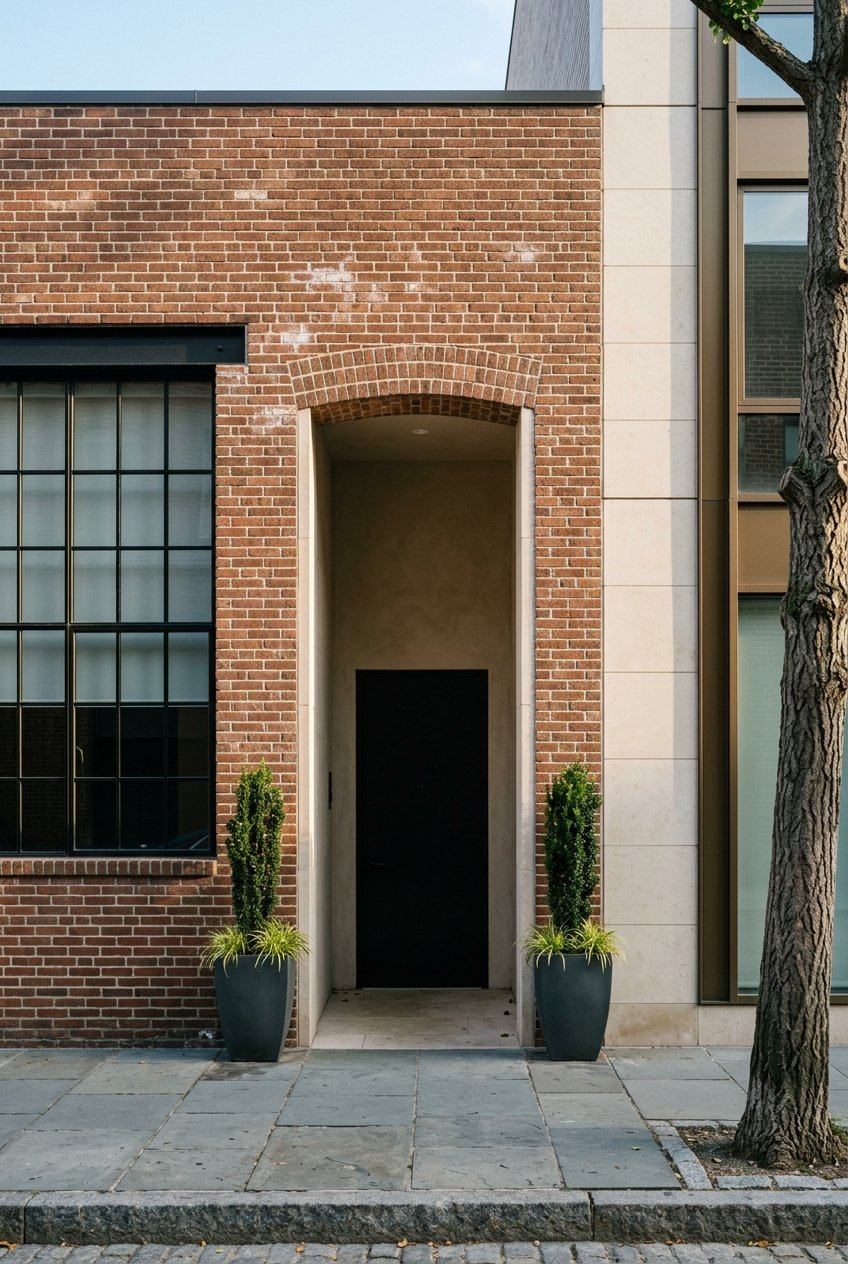
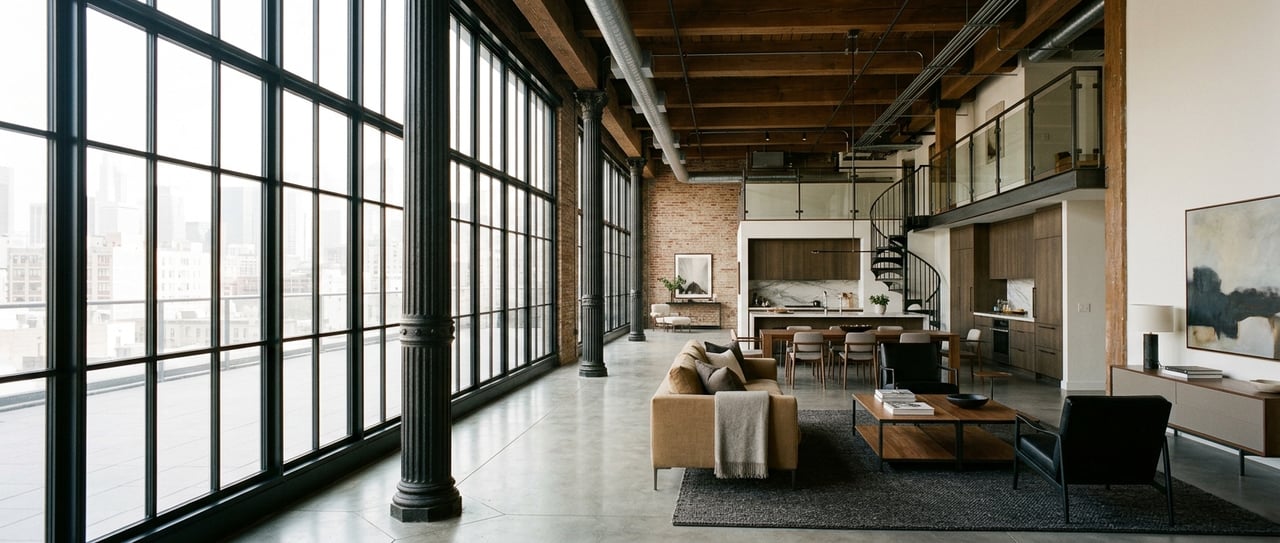
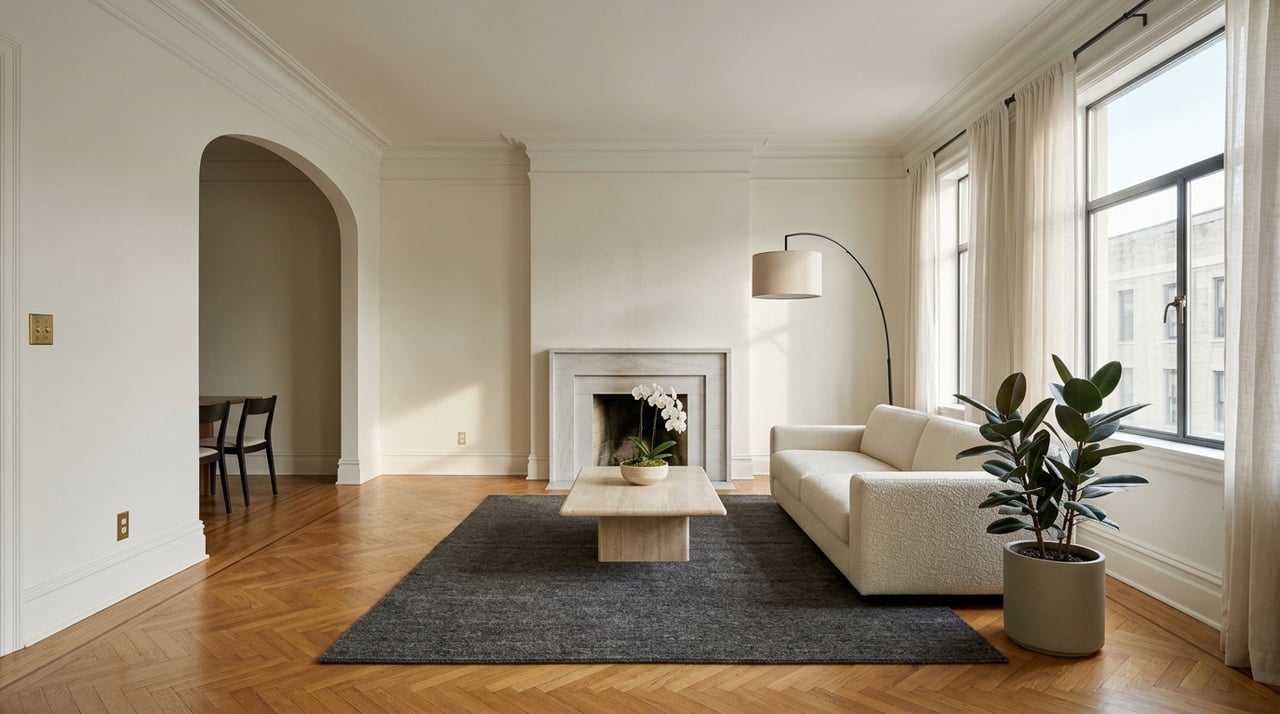
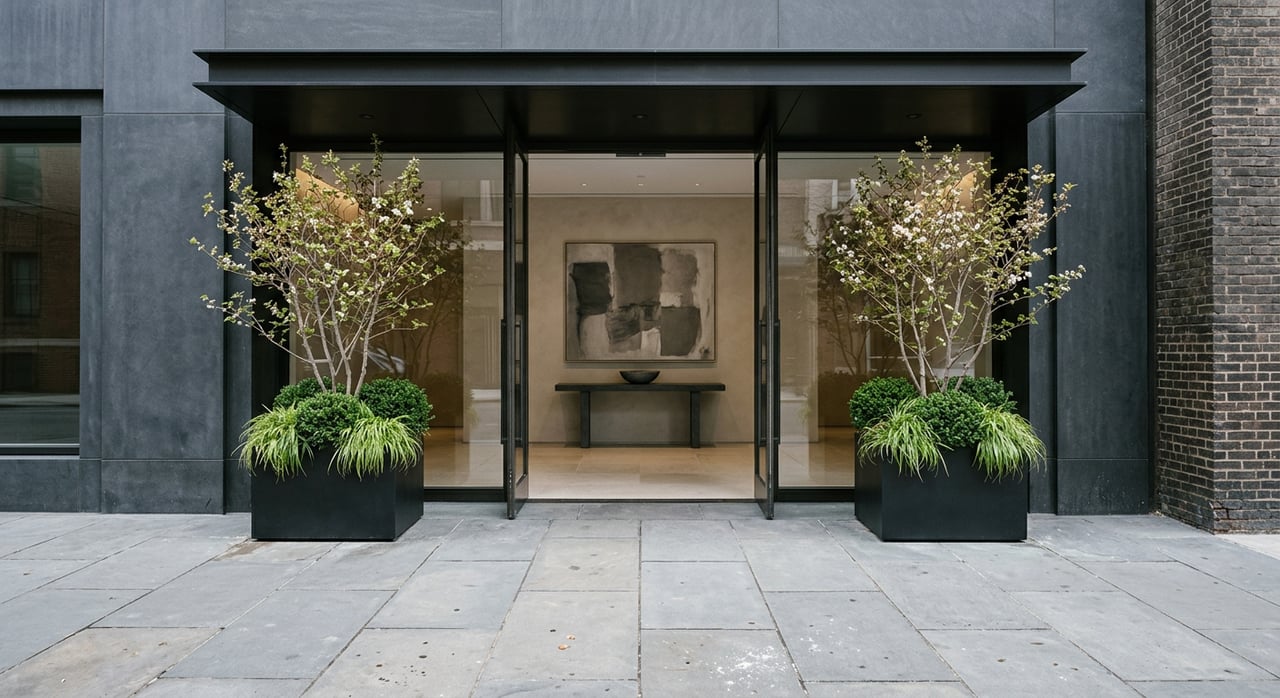
Chelsea’s housing is diverse. East and central blocks include pre-war buildings and many co-ops, while West Chelsea near the High Line features converted industrial lofts and newer mid- to high-rise condominiums with contemporary amenities. Special West Chelsea zoning and the area’s industrial past help explain why loft volumes and gallery-sized floor plates appear more often near Tenth and Eleventh Avenues. For buyers, that means you can choose between classic pre-war character and architect-designed glass-and-steel living within the same neighborhood.
- For housing-form context, review the West Chelsea planning documents.
Features collectors love
When you evaluate a condo, a few details can make a home more art friendly. Look for tall ceiling heights and long, uninterrupted wall runs for hanging larger works. Strong natural light, in-unit climate control, and white-wall finishes are common wants. In some loft buildings, private freight or service access for art deliveries can be a practical plus.
Amenities you will see
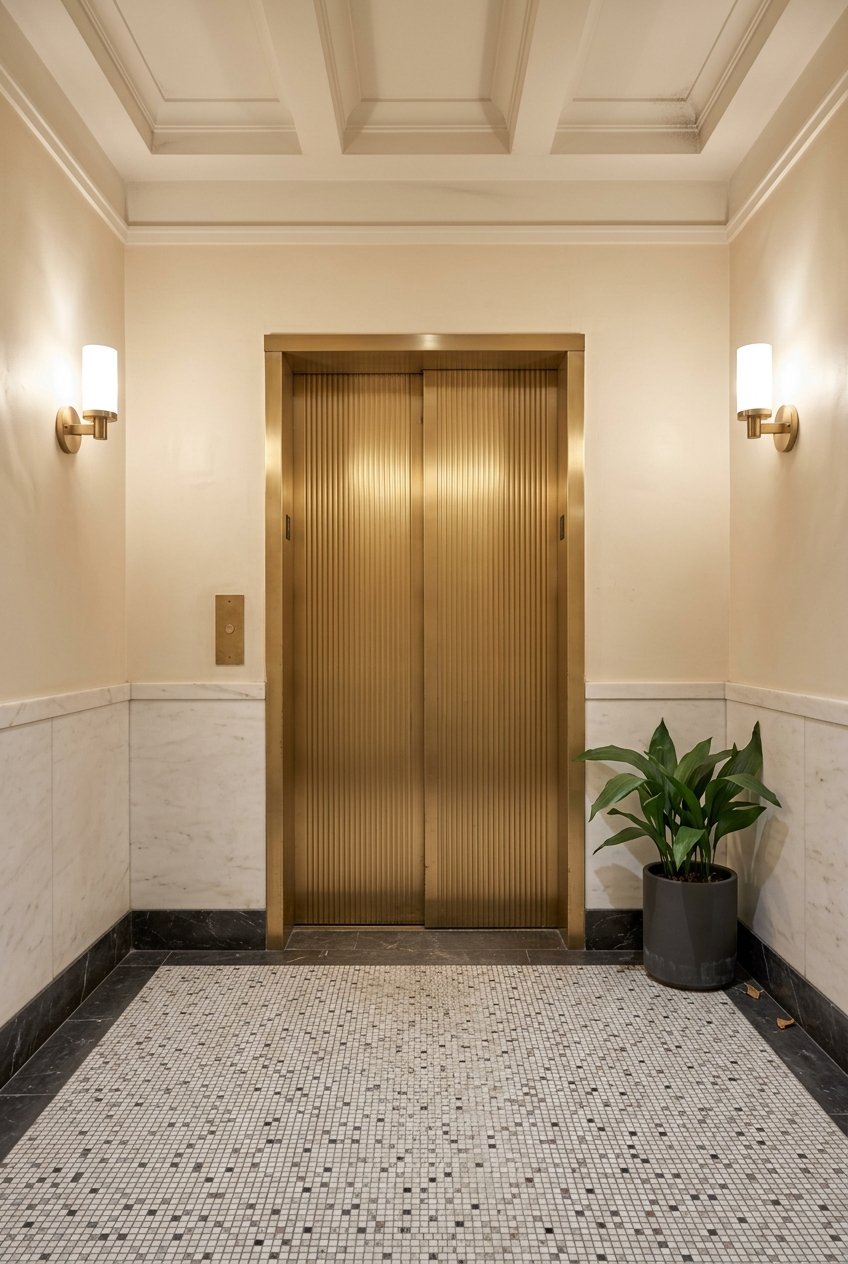
Newer Chelsea condominiums often include staffed lobbies, residents’ gyms, roof decks or terraces, package rooms, bike storage, and lounges. Since 2020, buyers have placed added value on private outdoor space, flexible work-from-home areas, and wellness-forward facilities. These trends are broadly reflected in Manhattan market commentary and listings, as noted in StreetEasy’s recent buyer coverage of shifting preferences.
- Read more about evolving buyer priorities in StreetEasy’s market commentary.
Condo vs. co-op at a glance
You will still find many co-ops in east and central Chelsea, while much of West Chelsea’s new development is sold as condominiums. For collectors, condos can offer more straightforward logistics for moving and installing large works than some co-ops, though rules vary by building. Your agent should confirm board processes, freight-elevator policies, and any installation guidelines before you commit. The City’s West Chelsea planning background provides helpful context on why newer condo product is prevalent near the High Line.
- See the neighborhood’s zoning and development backdrop in the West Chelsea planning documents.
A day in Chelsea for art lovers
Start with coffee or a quick bite at Chelsea Market, an easy launchpad for a morning gallery stroll or a walk along the High Line. Midday, drop into a couple of shows along the West 20s and grab lunch nearby. In the evening, catch a Thursday opening or a talk at the Whitney, or enjoy a public program connected to the High Line. It is a neighborhood where culture easily fits between meetings, workouts, and dinner plans.
Buyer checklist for your collection
- Check ceiling height and continuous wall runs to accommodate large pieces.
- Ask about freight or service-elevator scheduling and staff support for art deliveries.
- Confirm building rules for hanging or fastening into masonry and any required approvals.
- Consider climate-controlled off-site storage for temperature-sensitive works.
- Review insurance needs, including contents and fine-art riders, and ask how common-area rules affect viewings or moves.
Pricing and timing outlook
Recent neighborhood snapshots in late 2025 characterized Chelsea as leaning toward a buyer’s market, with slower median days on market and sale-to-list ratios slightly below 100 percent in sample months. Conditions change month to month, so it is smart to review the latest neighborhood overview before you tour or submit an offer. Also remember that pricing varies across sub-areas: new-development condos near the High Line and Hudson Yards typically command premiums over older stock in east or central Chelsea.
- Check current neighborhood trends on Realtor.com’s Chelsea overview.
Ready to tailor your search to the art, light, and layout you want? Partner with a design-forward advisor who understands how to match collections with spaces. Connect with Sangeeta Gupta to preview curated options, discuss staging and presentation, and explore Chelsea condos that fit your lifestyle.
FAQs
Where exactly is Chelsea’s Gallery District in Manhattan?
- The gallery cluster is commonly described as West 18th to West 28th Streets between Tenth and Eleventh Avenues, within Chelsea on Manhattan’s west side.
How convenient is transit if I buy a condo in Chelsea?
- You have frequent access to the A, C, E, L, F, M, and 1 trains around 14th, 18th, and 23rd–28th Streets, plus 34th Street–Hudson Yards to the north.
What types of condos will I find near the High Line?
- Expect a mix of converted industrial lofts with large volumes and newer mid- to high-rise condominiums with contemporary amenities.
Are there regular gallery openings in Chelsea?
- Yes, many galleries host evening openings and public receptions, often on Thursdays, with rotating exhibitions every few weeks.
Is a condo or a co-op better if I own large artworks?
- Condos often offer simpler logistics for moving and installing large works, but rules vary; confirm freight access, approvals, and installation policies before you buy.