Trying to choose between a Williamsburg townhouse and a condo for your family? The right call shapes how you live day to day, from stroller-friendly elevators to a backyard where kids and pets can play. If you are upsizing, you likely want space, predictability on monthly costs, and a neighborhood that feels easy. In this guide, you will compare space, carrying costs, maintenance, amenities, privacy, financing, permits, and flood considerations, plus get touring checklists and next steps. Let’s dive in.
Williamsburg at a glance for families
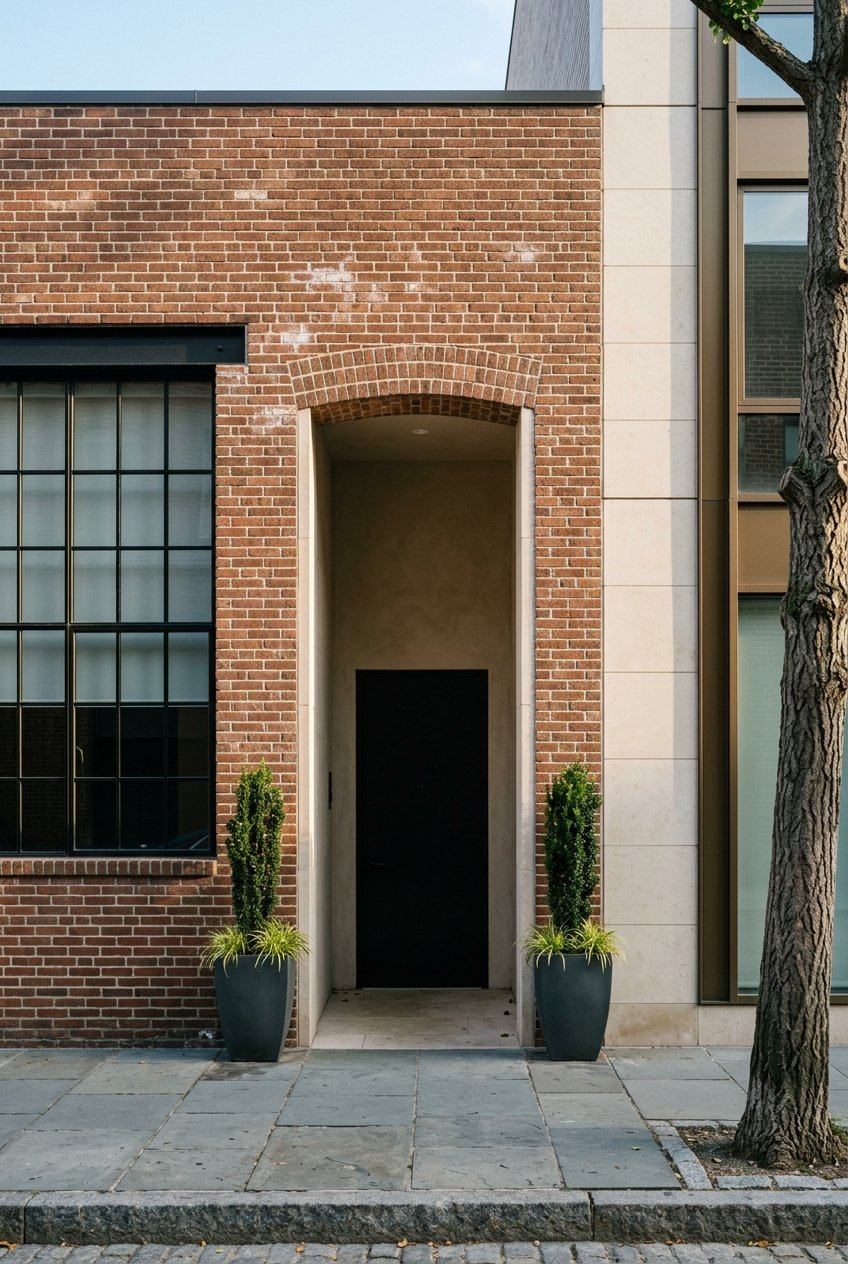
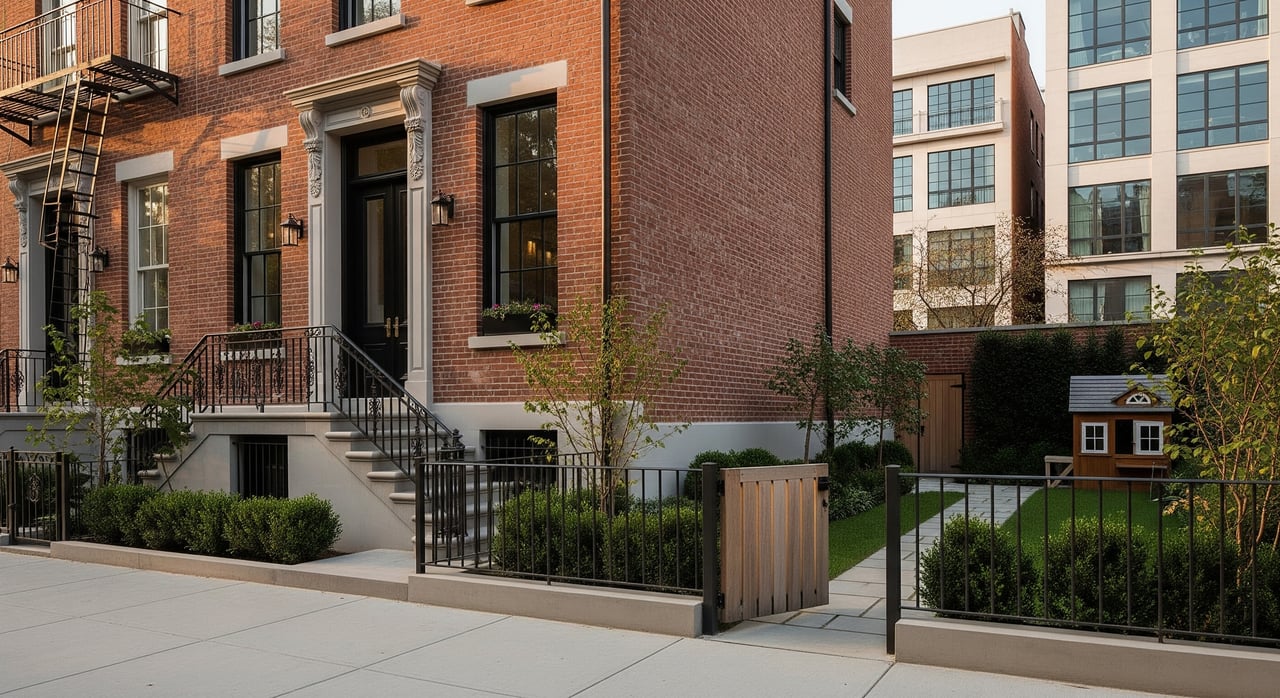
Williamsburg offers a blend of historic brownstones and rowhouses, older walk-ups, and many newer condominiums concentrated near the East River and along key corridors. For families, the most common choices are townhouses with private outdoor space or larger condos that deliver bedrooms and building amenities.
You will find strong demand drivers that matter to parents: access to multiple subway lines, neighborhoods near parks like McCarren Park, family-friendly retail and childcare options, and waterfront green space. Newer condos often highlight playrooms, gyms, package rooms, and efficient layouts. Townhouses are less abundant and often command a premium because of private outdoor space and flexible layouts.
Because market conditions change quickly, consider re-checking inventory, prices, and time on market by property type before you tour. City records and public tools make this simple when paired with on-the-ground advice.
Space and layout: how each feels day to day
Townhouse space advantages
- Multi-level living provides clear separation between sleep, work, and play areas, with your own front door and street identity.
- Private outdoor space is a major plus for children and pets. Many homes include a rear yard, roof deck, or both.
- Full-sized bedrooms are common, and basement or cellar areas can be useful for storage, a playroom, or an office, subject to permits.
Condo space advantages
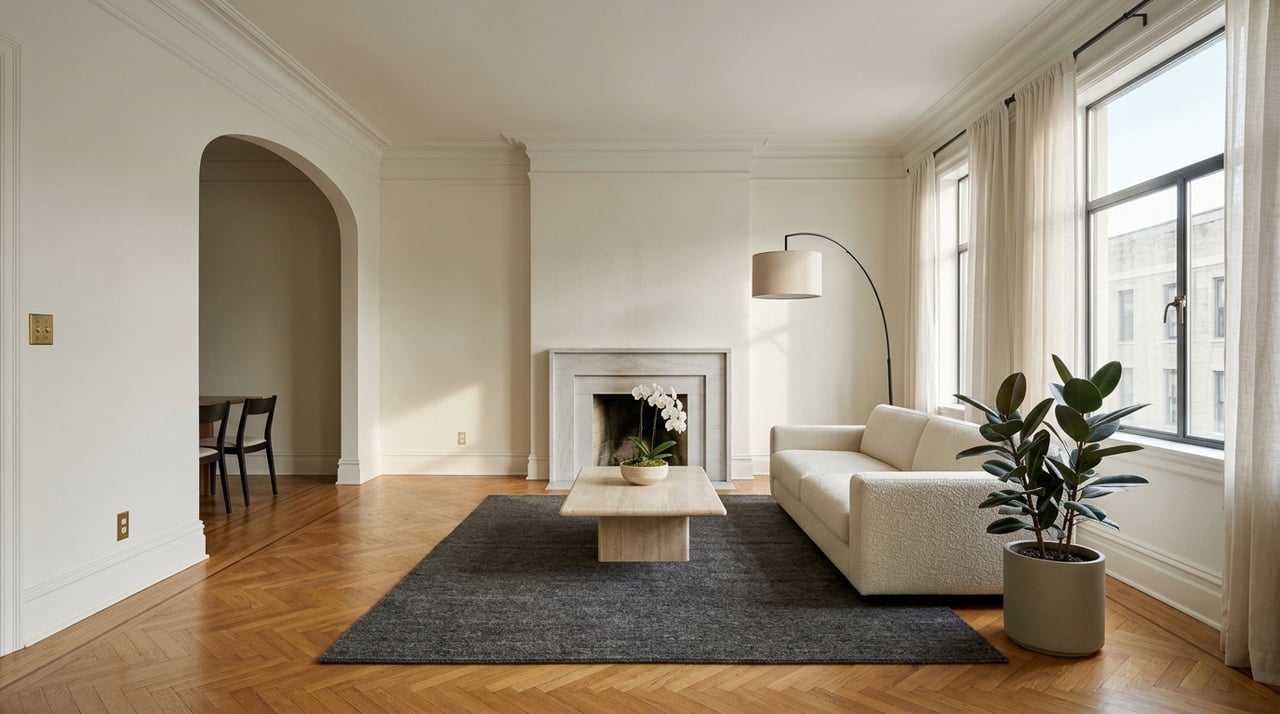
- Floorplans are often efficient, with in-unit laundry and well-planned kitchens and baths.
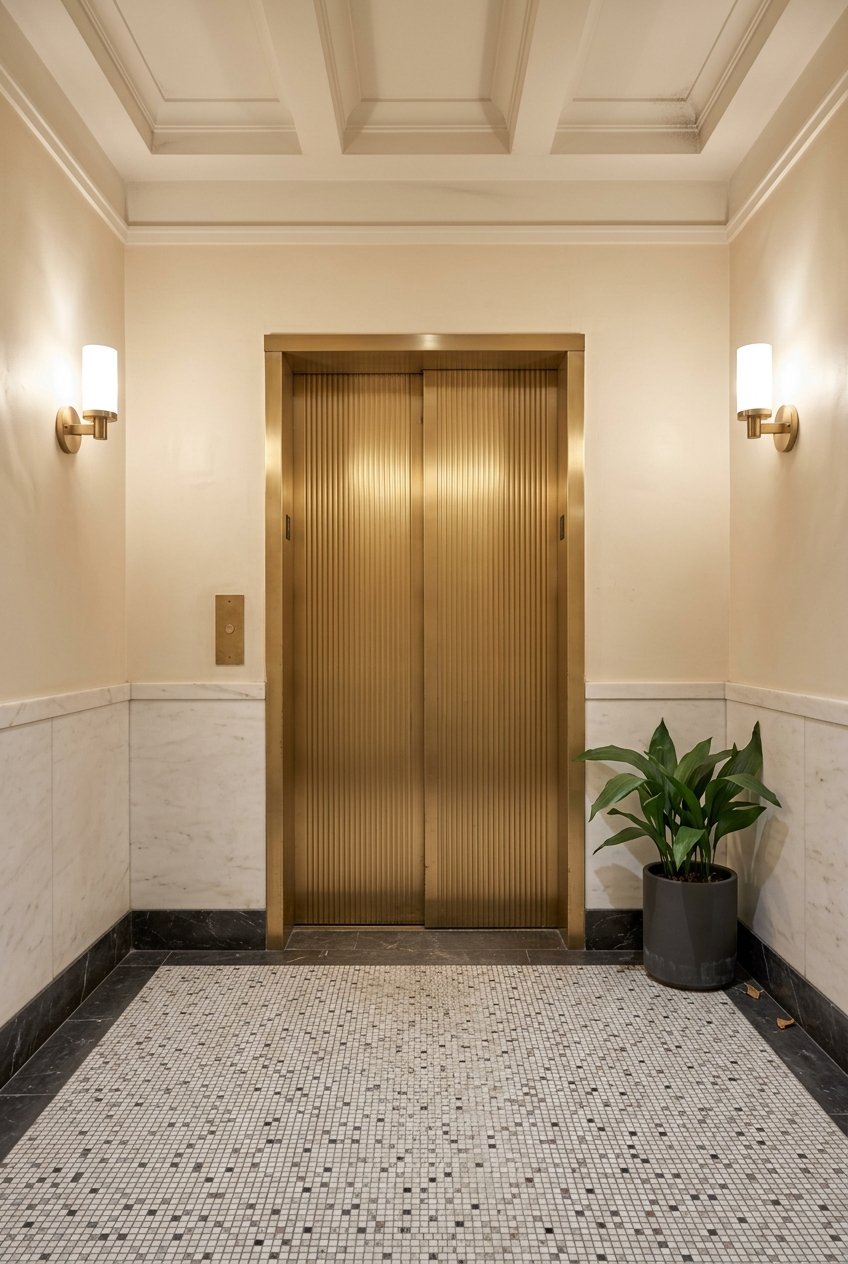
- Elevator access makes single-level living simpler for strollers and accessibility needs.
- Larger three- and four-bedroom condos do exist, especially in newer developments, though they are less common and can be priced at a premium per square foot.
True monthly costs: what to budget
Townhouse carrying costs
- You pay property taxes, homeowner’s insurance, utilities, and all maintenance. This includes the roof, façade, and building systems.
- There are no HOA dues, but you shoulder capital projects on your own. Budget for items like roof replacement or structural repairs over time.
- Property tax assessments vary by property class and improvements. Reviewing historical tax bills is a smart first step.
Condo carrying costs
- You pay property taxes and insurance for your unit’s interiors, plus monthly common charges. These dues typically cover building insurance for common areas, staffing, reserves, and common-area utilities.
- Common charges can rise. Review capital projects, reserve levels, and any planned assessments.
- For both property types, compare the full picture: mortgage + taxes + insurance + HOA/common charges + utilities + expected maintenance. This “all-in” number helps you compare apples to apples.
Maintenance and your time commitment
Townhouses
You control maintenance but also carry the responsibility. Expect to coordinate vendors for exterior work, systems, and routine upkeep. If the home is in a historic district, exterior changes may require approvals.
Condos
The building manages common-area maintenance, exterior, and systems. You will have fewer day-to-day tasks, but building rules and timelines guide how and when work gets done. Major projects are funded by reserves and sometimes special assessments.
Amenities and services your family will use
Townhouses
- Private outdoor space and greater autonomy over renovations and use of space.
- Flexibility for storage, bikes, and gear. Some properties include a curb cut or parking on select blocks.
Condos
- Amenity suites can include a doorman, concierge, gym, playroom, package room, and shared outdoor areas.
- In-building staff and services reduce your weekly time commitment and can create community for kids through shared spaces.
Privacy, noise, and neighbors
Townhouses
You typically enjoy more privacy, with fewer immediate neighbors and your own entrance. Noise transfer can still occur through shared party walls, but you avoid shared corridors and elevators.
Condos
Shared walls, corridors, and amenity areas mean more frequent neighbor interactions and potential noise transfer. Higher floors can feel removed from the street, while lobbies and playrooms are natural gathering places.
Financing and resale: what to expect
Financing differences
- Condos: Lenders review building financials, reserve levels, and occupancy. Down payment requirements often fall in typical ranges set by the lender.
- Townhouses: These are financed like single-family homes. Renovation loans may be available if you plan to upgrade systems or rework the layout.
- Co-ops exist in parts of Brooklyn and have their own rules, approvals, and financial standards. If you consider one, expect different requirements and timelines.
Resale and liquidity
- Townhouses are scarcer and may hold value due to land and private outdoor space, though the buyer pool is narrower and renovations can impact timelines.
- Condos appeal to a wider buyer pool, including investors and first-time buyers. Resales may move faster but can be more sensitive to market swings and building-specific conditions.
Room to grow: permits, conversions, and rules
Any structural changes, basement finishing, layout reconfiguration, or conversions require permits from the city. Basement and cellar use has strict rules on egress, ceiling height, and light and ventilation. You or your architect can confirm requirements with the NYC Department of Buildings.
If a property is in a landmarked area, exterior work and some visible changes require approvals. You can verify status and process with the NYC Landmarks Preservation Commission.
Condo and co-op buildings often have rules on subletting and short-term rentals. If rental potential matters to your plan, review governing documents carefully before you commit.
Flood and insurance on the waterfront
Parts of Williamsburg, especially near the East River and low-lying blocks, fall within flood-prone areas. Flood zone designation can affect mortgage requirements and insurance pricing. To understand a specific address, review the FEMA Flood Map Service Center and the city’s NYC Flood Hazard Mapper. If a property lies in a higher-risk zone, lenders may require flood insurance and you should request an elevation certificate, if available.
Decision guide: match your priorities
Priority: Private outdoor play area and space for a dog
- Consider: Townhouse for yard, stoop, or roof deck.
- Trade-off: Higher maintenance and potentially higher upfront costs.
Priority: Low daily maintenance and building services
- Consider: Condo with doorman, playroom, and staff.
- Trade-off: Monthly common charges and rules set by the board.
Priority: Single-level living for strollers or accessibility
- Consider: Condo in an elevator building, or a townhouse with main living areas on one floor.
- Trade-off: Larger single-level condos are less common and may cost more per square foot.
Priority: Long-term investment and land ownership
- Consider: Townhouse for land and architectural uniqueness.
- Trade-off: Narrower buyer pool and higher ownership responsibilities.
Priority: Tight budget but need more bedrooms
- Consider: Larger condo or a multi-bedroom in a building with a simpler amenity package.
- Trade-off: Less private outdoor space and less autonomy.
Priority: Quick move-in and predictable monthly costs
- Consider: Condo with solid reserves and stable common charges.
- Trade-off: Assessments can still occur; review board minutes.
What to look for on tours
Townhouse tour checklist
- Exterior and foundation: Note cracks, mortar wear, sagging rooflines, and any signs of water infiltration in the cellar.
- Roof and drainage: Ask about roof age, gutter condition, and drainage paths away from the foundation.
- Mechanical systems: Review age and location of boiler, hot water heater, electrical capacity, and HVAC. Confirm if meters are single or multiple.
- Interior layout and safety: Check bedroom sizes, egress, stair safety, ceiling heights, and any evidence of past flooding.
- Permits and history: Request permits for past work and documentation for major upgrades. Unpermitted work can be costly to correct.
- Historic context: If on a landmarked block, clarify what exterior changes require approvals.
Condo tour checklist
- Unit condition: Check floors, windows for sound and thermal performance, and any signs of moisture.
- Building systems and amenities: Ask about elevator and boiler replacement timelines, HVAC approach, laundry, storage, and parking.
- Financials and governance: Request the HOA budget, reserve study, and the last 6–12 months of board meeting minutes to spot litigation, assessments, or deferred maintenance.
- Rules and use: Confirm pet policy, subletting terms, and any restrictions on short-term rentals.
- Capital projects: Ask about planned façade, roof, or mechanical work and whether special assessments are expected.
Due diligence before you sign
- Verify property tax history and any active abatements through the NYC Department of Finance.
- Confirm certificate of occupancy, open permits, and violations via the NYC Department of Buildings.
- Check landmark status through the NYC Landmarks Preservation Commission if exterior work is part of your plan.
- Review flood risk and insurance needs using FEMA’s Flood Map Service Center and the NYC Flood Hazard Mapper.
- If schools are part of your criteria, use the NYC Department of Education’s school search to confirm current zones and options. Use neutral criteria like commute, program offerings, and logistics when deciding what fits your family.
- For condos, request the offering plan (if new), bylaws, insurance declarations, and a breakdown of the owner’s monthly charges. For townhouses, ask for engineering reports and receipts for major work.
Next steps
- Get pre-approved so you know your true budget and down payment flexibility.
- Compare townhouses and condos within the same sub-neighborhood to understand price per square foot, lot premiums, and monthly carry trade-offs.
- Line up your touring checklist and due diligence documents before making an offer.
If you want a clear, design-informed path to the right Williamsburg home, reach out for curated options, staging and layout guidance, and a streamlined negotiation strategy with Sotheby’s reach. Connect with Sangeeta Gupta to start your plan.
FAQs
What are the main lifestyle differences between a Williamsburg townhouse and a condo?
- Townhouses offer private outdoor space and autonomy, while condos provide amenities, staff, and low day-to-day maintenance.
How do common charges in Williamsburg condos affect my budget?
- Common charges cover building services and reserves and can increase over time, so include them in your all-in monthly comparison alongside taxes and insurance.
Are basements in Williamsburg townhouses usable as living space?
- Basements and cellars have strict egress, height, and ventilation rules; confirm feasibility and permitting with the NYC Department of Buildings.
How can I check if a Williamsburg address is in a flood zone?
- Review the FEMA Flood Map Service Center and the NYC Flood Hazard Mapper to understand risk and insurance needs.
What condo documents should I review before buying in Williamsburg?
- Request the HOA budget, reserve study, offering plan (if new), insurance declarations, and recent board minutes to assess reserves, assessments, and building projects.
Do landmark rules limit what I can change on a Williamsburg townhouse exterior?
- If the home is in a historic district, exterior changes may require approvals; confirm process and status with the NYC Landmarks Preservation Commission.