Torn between a soulful Tribeca loft and a sleek new condo? You are not alone. In a neighborhood known for its historic charm and luxury lifestyle, the choice often comes down to character versus turnkey convenience. This guide breaks down what you really get with each option, how they differ on ownership and costs, and what to check during showings so you can buy with confidence. Let’s dive in.
Why Tribeca draws luxury buyers
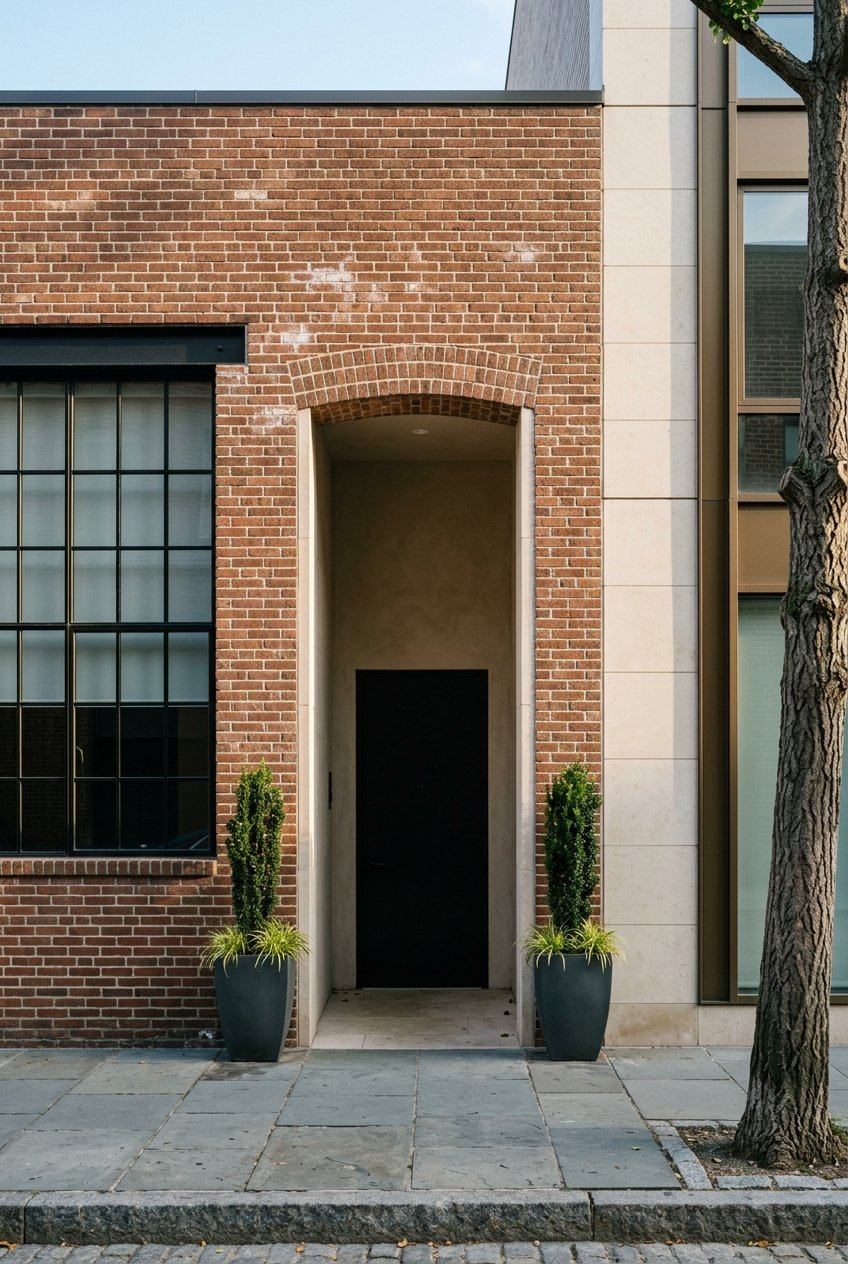
Tribeca is one of Manhattan’s most expensive enclaves, with a rare mix of converted industrial buildings, cobblestone blocks, and a low-density, design-forward feel. The historic loft stock is finite, and many buildings sit within landmarked districts, which keeps authentic inventory limited. New developments also remain selective and aim at luxury buyers who want full-service living. The result is steady demand for both character-rich originals and modern, amenity-led homes.
What defines a Tribeca loft
Architecture and feel
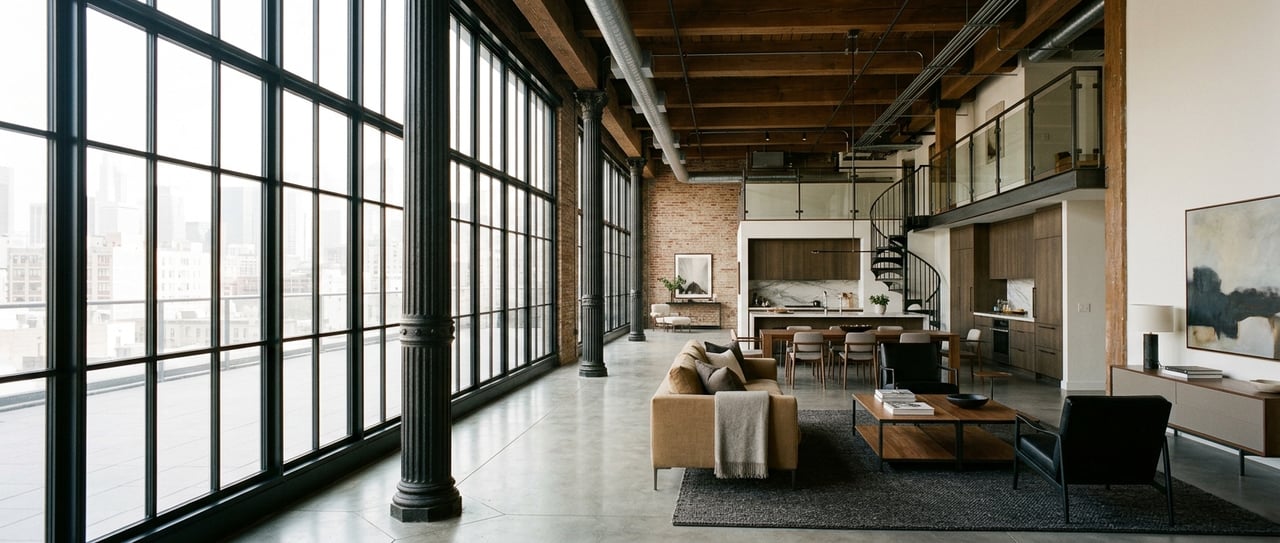
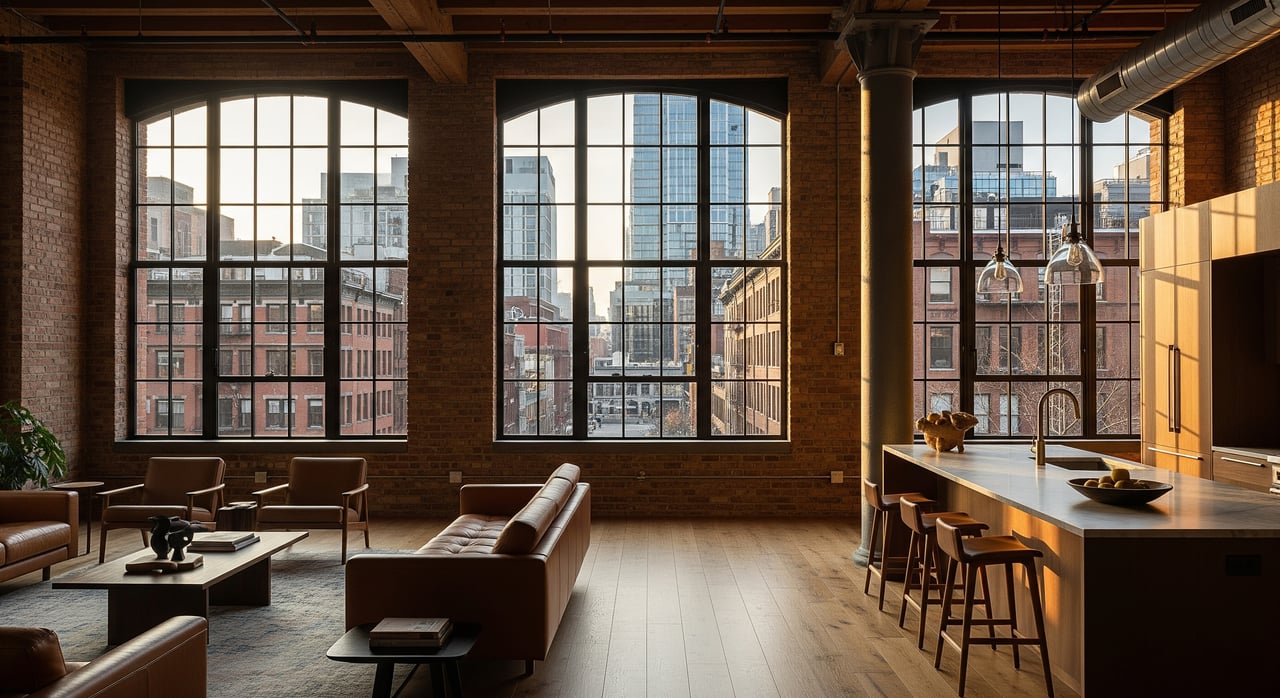
Classic Tribeca lofts began life as warehouses or factories from the late 19th and early 20th centuries. You will see high ceilings that can reach 10 to 16 feet or more, oversized steel or multi-paned windows, exposed beams and columns, and wide, open floor plates. Many layouts are full-floor or duplex and feel like private galleries.
Building services and systems
Service levels vary. Some loft buildings keep a minimal, “warehouse” vibe with basic services. Others have been upgraded with modern conveniences. Mechanical systems are often retrofits, such as through-the-wall or split-system HVAC, and plumbing or electrical may be older and ready for modernization.
Legal and landmark status
Many lofts sit inside Tribeca’s historic districts, which can limit exterior changes and add review time for visible alterations. Older buildings may also have unusual Certificates of Occupancy if they were once commercial. Confirm that the unit is legal for residential use and review how the NYC Loft Law applies. Clear documentation will affect financing and insurance.
Loft tradeoffs
You get character, volume, and flexible space. In return, you may face renovation, less predictable floor plans, and fewer full-service amenities. The best lofts feel timeless, but planning and budget matter.
What you get in new development
Features and layouts
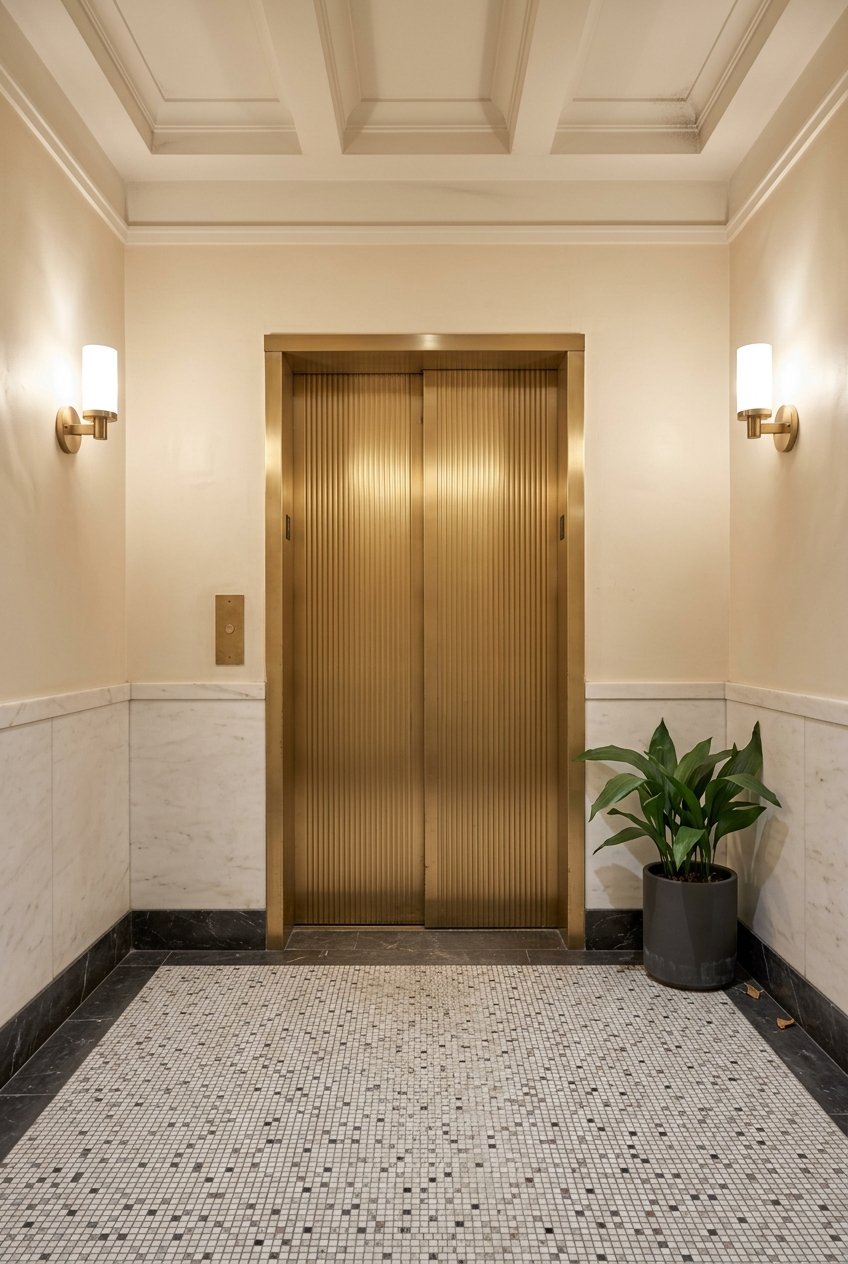
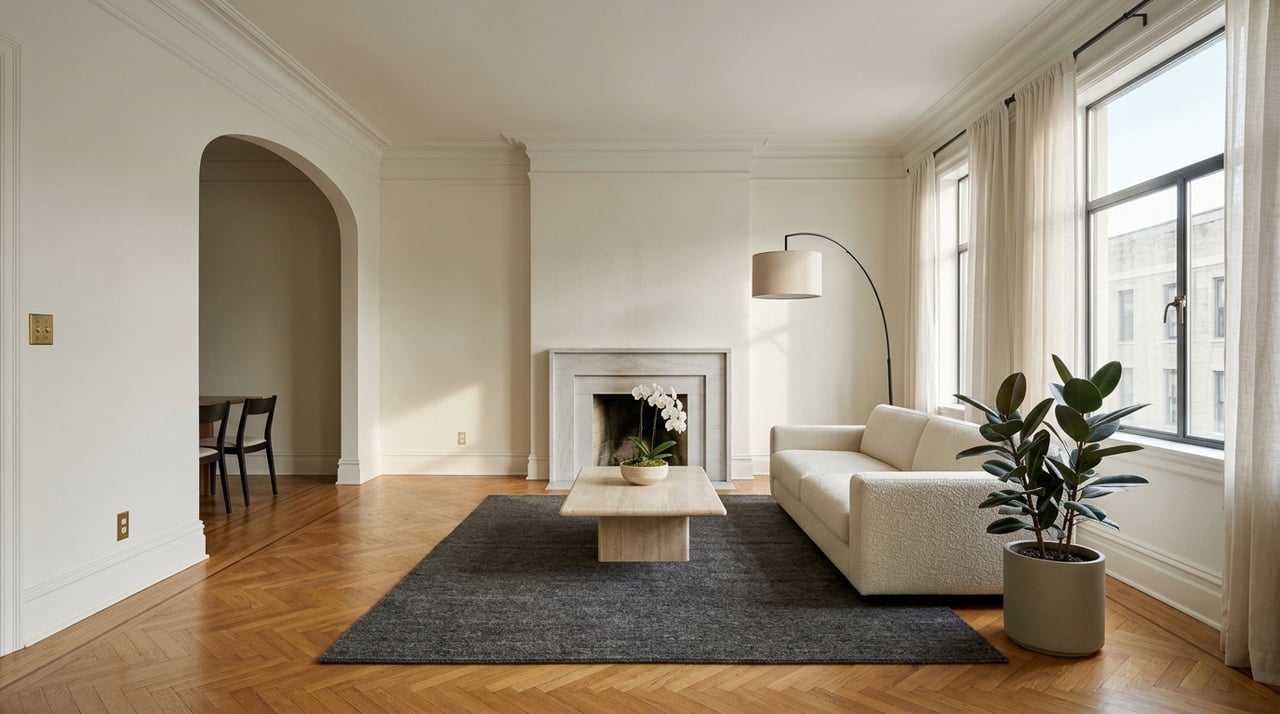
New Tribeca condos are purpose-built for modern living. Expect efficient floor plans with clear separation of public and private spaces, multiple baths, built-in storage, and in-unit laundry. Finishes skew high-end, and windows are often sealed for sound control.
Amenities and performance
Most new buildings offer concierge or doorman service, gyms, pools, package rooms, bike storage, and sometimes parking. You also benefit from modern soundproofing, energy-efficient systems, and compliance with current building codes. Early in a building’s life, sponsor warranties and punch-list support can offer added peace of mind.
Ownership flexibility
New developments are primarily condominiums. Condos are generally more flexible for financing and resale. Some allow pied-à-terre use or limited rentals, subject to house rules.
New development tradeoffs
You get turnkey ease, services, and strong building performance. You may trade away some raw texture, ceiling height, and window drama. Price per square foot often runs higher than older stock.
Loft vs new development at a glance
| Factor | Classic Tribeca Loft | New Development Condo |
|---|---|---|
| Character & scale | High ceilings, exposed brick, large open volumes | Sleek finishes, efficient layouts, quieter interiors |
| Amenities | Varies by building, often minimal to moderate | Full-service, concierge, gym, pool, package rooms |
| Systems | Retrofitted HVAC and older systems possible | New mechanicals, soundproofing, energy efficiency |
| Ownership | Often co-op or older condo conversion | Mostly condo with clear offering plans |
| Financing | Co-ops can be stricter on approvals and ratios | Generally more flexible lending |
| Renovation | Common for kitchens, baths, HVAC updates | Minimal, move-in ready |
| Monthly costs | Maintenance or common charges vary; special assessments possible | Higher common charges to support amenities |
| Resale | Unique appeal, narrower buyer pool | Broader buyer pool and typically faster liquidity |
| Regulatory | Landmark limits and Loft Law considerations | Current code compliance, condo governance |
Pricing and costs to expect
Purchase pricing tiers
Tribeca sits above the Manhattan average on price per square foot. Smaller lofts and one-bedrooms in older buildings can trade in the low to mid seven figures depending on condition and address. Larger full-floor or duplex lofts often range from the mid to high multi-million dollars and higher for standout spaces. New development condos, especially premium lines and penthouses, typically command a higher price per square foot than older stock.
Renovation budgets
- Cosmetic refresh: Paint, lighting, and floors can run into the tens of thousands for smaller units depending on scope.
- Full renovation: Kitchens, baths, HVAC, electrical, and window work can run from the low hundreds per square foot to $300 per square foot or more with luxury finishes or structural changes. Historic elements, permitting, and design coordination can add time and cost. Build in a 10 to 20 percent contingency.
Monthly carrying costs
- Co-ops and older loft buildings may have lower monthly charges, but periodic assessments for capital projects can occur.
- New condos often have higher common charges to support amenities. Some new buildings may benefit from early tax strategies or abatements. Always review current tax bills and building financials.
Ownership and financing basics
Co-op vs condo
Many older lofts are co-ops created during past conversion waves, while most new developments are condominiums. Co-ops often require board approval, higher down payments, and may limit subletting or renovations. Condos are typically more flexible for financing and resale and are favored by investors and international buyers.
Regulatory items to confirm
- Certificate of Occupancy and legal residential status.
- Landmark considerations for exterior changes within Tribeca’s historic districts.
- Any Loft Law implications for the building or unit.
- Building minutes, financial statements, reserve levels, pending litigation, and special assessments.
Taxes and transfer costs
Review transfer taxes, New York’s mansion tax tiers for purchases over one million dollars, and how co-op versus condo structures affect your net cost. Your attorney and tax advisor should confirm the specifics for the property you choose.
Which lifestyle fits you
Choose a classic loft if you value
- Architectural character, volume, and original details.
- Large, flexible open spaces for art, entertaining, or work.
- A unique home and you are comfortable planning or executing renovations.
Choose new development if you value
- Turnkey, move-in-ready living with modern systems.
- Full-service amenities such as concierge, fitness, pool, and parking options.
- Easier financing, broader resale appeal, and condo flexibility.
Showing checklist for buyers
Physical and architectural
- Confirm ceiling heights, window size and orientation, and natural light.
- Identify column locations, circulation, and floor plan flexibility.
- Inspect exposed brick, beams, and flooring for wear or water stains.
Mechanical and systems
- HVAC type and age, electrical capacity, and plumbing condition.
- Building boilers, roof, façade work, and recent capital projects.
- In-unit laundry status and sound transfer between floors.
Legal and documentation
- Certificate of Occupancy, offering plan or proprietary lease.
- Two to three years of board minutes and financials; reserve levels and any pending litigation or assessments.
- Landmark status and any permitting history.
Financial and tax
- Current common charges or maintenance and property taxes.
- Any abatements, underlying mortgages for co-ops, or sponsor details for new condos.
- Anticipated carry during any renovation period.
Lifestyle logistics
- Doorman hours, package handling, and guest or parking arrangements.
- Pet policies and any building-specific house rules.
- Nearby transportation, grocery, and neighborhood services.
Resale and liquidity
Unique lofts often command strong prices from buyers who prize character, yet they can take longer to trade because the audience is more specific. Condos and new developments attract a wider buyer pool, including international purchasers and investors, which can support faster resale. In both cases, thoughtful upgrades and functional layouts improve marketability.
Tribeca building types to expect
- Classic converted warehouse lofts: Full-floor scale, high ceilings, and original materials. Best if you want dramatic space and can manage upgrades.
- Boutique conversions: Historic shells with tasteful modern systems and moderate amenities. A balanced choice.
- Large luxury new-build condos: High amenity levels, strong services, and modern performance.
- Boutique new condos: Design-focused projects with high finishes and a more intimate feel.
- Townhouse or hybrid properties: Less common in Tribeca, sometimes blending historic façades with modern interiors.
Choosing between a loft and a new development in Tribeca comes down to how you want to live. If you are drawn to texture and volume, a classic loft can be extraordinary with the right design plan. If you want frictionless, full-service living, a new condo can deliver immediate comfort and strong long-term flexibility. If you want a seasoned, design-informed perspective on both paths, from valuation to staging to a smooth closing, connect with Sangeeta Gupta for a curated, concierge experience.
FAQs
What is the main difference between a Tribeca loft and a new condo?
- Lofts offer historic character and large open volumes with varied services, while new condos deliver turnkey living with modern systems, full amenities, and typically easier financing.
How do co-op and condo rules affect buying in Tribeca?
- Co-ops often require stricter board approvals, higher down payments, and limits on subletting and renovations; condos are generally more flexible for financing, resale, and use.
What renovation costs should I expect for a loft in Tribeca?
- Cosmetic work can run into the tens of thousands for smaller units; full luxury renovations often range from the low hundreds per square foot to $300 per square foot or more, plus a 10 to 20 percent contingency.
Do landmark rules impact changes to Tribeca homes?
- Many buildings sit in historic districts, so exterior changes usually require review; interior work can also be guided by code and building rules, especially when windows or façades are involved.
Which option has better resale in Tribeca, loft or new development?
- Condos typically attract a broader buyer pool and can trade faster, while unique lofts can achieve standout prices with the right finishes and layout but may take longer to sell.